When you choose a heavy pipe wrench, you need to think about the width of the pipe, how much torque you need, and where you will be working. The right wrench makes sure it fits snugly, doesn't slip, and works perfectly in a range of industrial settings. Professional plumbing requires tools that meet the needs of each job while also keeping safety and speed in mind.This all-purpose guide goes over important things to think about when picking out the right wrench sizes, such as performance features, jaw settings, and material details. Industrial workers will learn useful things about how to match wrench specs to project needs, get the most out of their tools, and make the workplace safer and more productive.
Understanding Heavy Pipe Wrenches and Their Importance
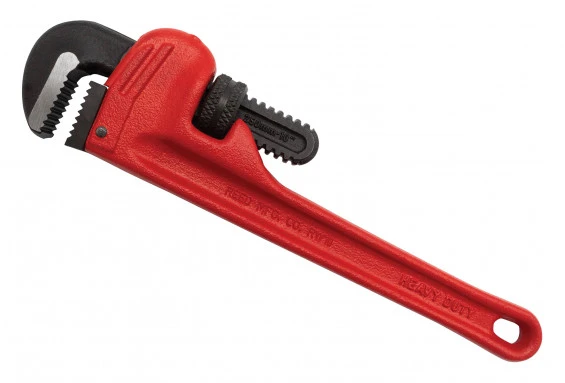
Heavy-duty pipe wrenches are specialized tools that are designed to grip and turn pipes with big diameters that are under a lot of mechanical stress. Unlike normal adjustable wrenches, these strong tools have a better build, wider jaw holes, and better torque capacity. They are made for tough industrial settings.
Core Construction Features
Professional pipe wrenches are made with cast metal steel and have jaws that are precisely shaped to grip very tightly. The process of making the product uses complex methods of heat treatment that improve strength and resistance to wear. This makes sure that it always works well even when there are a lot of stress situations.
FLA Industrial's heavy pipe wrenches have handles made of malleable iron and jaws made of cast alloy steel. This gives you the best mix of strength and longevity. This way of building makes things last longer and keeps them easy to use, which is important for long times of operation.
Types and Size Classifications
Industrial pipe tools come in a number of different groups, each with its own purpose. While chain pipe wrenches work best on pipes with bigger widths and uneven forms, straight pipe wrenches that can be adjusted are good for a range of pipe sizes. For smooth surfaces that need to be handled carefully, strap wrenches are a non-marring option.
The size categories usually have jaws from 1 to 8 inches across and are 10 to 48 inches long. Understanding these groups helps procurement workers choose the right tools for the job while making sure that they work well and follow safety rules.
Core Criteria for Selecting the Right Heavy Pipe Wrench Size
When choosing the size of the wrench, the most important thing is to make sure that the pipe width is compatible. The minimum jaw opening is based on an accurate measurement of the pipe's outside diameter, and the force needs affect the length of the handle to make sure enough pressure is created.
Pipe Diameter Measurement Guidelines
To get an accurate reading of a pipe's diameter, you need to use precise measuring tools to find the outward length. Standard heavy duty pipe wrench pipe sizes are based on common practices in the business, so the stated pipe size may not match the real outside measurements. Professional fitters should not just go by theoretical specs, but instead should check the real measures.
The wrench jaw should be able to fit around the pipe width with enough space for a tight grip. Wrenches that are too big can slip while they're being used, and tools that are too small can't get a good grip. Both of these issues are bad for safety and for how well the job gets done.
Material Quality and Durability Assessment
Premium pipe wrenches are made with forged construction instead of cast. This makes them stronger and allows them to last longer. Heat treatment methods make the best use of material qualities. They get the right amount of hardness while keeping the stiffness needed for shock resistance.
Finishes that prevent corrosion guard against damage from the environment, which is very useful for things used outdoors, in chemicals, or in the ocean. Advanced surface treatments keep tools looking good and working well for longer amounts of time.
Practical Tips for Using and Maintaining Your Heavy Pipe Wrench
If you put the wrench in the right place, you can grip things more tightly and keep them from slipping or getting damaged. The pipe surface should be touched first by the moving jaw. Then, the handle should be changed to make sure that the pipe and jaw are securely connected but that the adjustment mechanism is not made too tight.
Safety Protocols and Operating Procedures
To use this heavy duty pipe wrench tool safely, you need to know its power limits and avoid using more force than these limits allow, which could cause the tool to break or hurt someone using it. Users should keep their balance while pushing in the direction that makes the jaw grip tighter instead of looser.
Safety glasses, work gloves, and other personal protective equipment are important for keeping you safe from injuries that could be caused by tools that slip or pieces of pipe that break. Regularly checking on the state of the jaw and the processes for adjustment stops surprising problems from happening during very important tasks.
Maintenance Best Practices
Cleaning often gets rid of dirt and debris that could make it hard for your teeth to work properly. Lightly greasing the threads of an adjustment tool keeps them from rusting and makes sure that the tool works well for its whole life.
Regular checks find worn areas, broken teeth, or parts that are loose and need to be fixed. Quickly replacing parts that are worn out keeps things working well and stops safety problems from happening with tools that aren't in good shape.
Comparing Heavy Pipe Wrenches: How Size Influences Performance and Application
Wrench size affects the amount of power it can give you, and longer handles make it easier to turn the wrench and apply more force to stubbornly stuck bolts. But bigger tools need more space to work and can be hard to use in smaller spaces where it's important to be able to move them around.
Industry-Specific Application Requirements
For home plumbing heavy pipe wrench work, wrenches that are 12 to 24 inches long are usually needed. For plumbing in businesses and factories, wrenches up to 36 or 48 inches are often required. Oil and gas work often uses special heavy-duty types that can handle very high power levels.
Moderate-sized tools that are good at both construction and HVAC work are easy to carry around. Marine settings need models that won't break down in saltwater and will keep working no matter what.
Performance Analysis Across Different Sizes
For delicate work, smaller wrenches give you better control and accuracy. For tough jobs, you need the power that comes with bigger tools. The length of the handle affects the torque capacity in a way that fits known mechanical rules. Longer handles give bigger boosts to force.
Weight becomes an important thing to think about when doing overhead work or work that takes a long time. When choosing the right tool sizes for certain jobs, professional users need to find a mix between skill standards and operator tiredness factors.
Procuring the Right Heavy Pipe Wrench for Your Business Needs
Successful buying considers expected usage trends, upkeep skills, and budget limits when finding the right goods for both the short-term needs of a project and the long-term needs of the business. Buying in bulk often saves money and makes sure that all processes use the same high-quality tools.
Supplier Evaluation Criteria
Consistent quality control, fair price, and good after-sales help are signs of trustworthy providers. Warranty information, technical paperwork, and proof of certification compliance show that the maker wants to meet professional standards and keep customers happy.
When it comes to making professional tools, FLA Industrial & Trading Co., Ltd. draws on almost 40 years of experience. They provide trustworthy, high-quality goods to businesses in the Fortune Global 500. Our all-around quality management method makes sure that performance is always the same, and our reasonable price helps buyers who want to save money.
Customization and Special Requirements
Special tools may be needed with different kinds of materials, longer handles, or special jaws to work in certain places or circumstances. Manufacturers with a lot of experience can make custom solutions that keep safety and performance standards in mind and fix the one-of-a-kind problems that come up in their businesses.
Our engineering team works with clients to come up with unique solutions. We do 3D models, making prototypes, and testing confirmation all through the design process. This all-encompassing method guarantees the best work while still meeting certain needs.
Conclusion
Selecting the appropriate heavy pipe wrench size requires careful analysis of pipe dimensions, torque requirements, and operational constraints.Professional buyers should think about material quality, how things are made, and source stability to make sure that tools work well and last a long time.Knowing the link between wrench size and the needs of the job lets people make good choices about what to buy. This helps things run more smoothly and keeps safety standards in mind. Quality tools made by experienced companies will always work well and save you money in the long run by giving you regular results and a longer lifespan.
FAQs
What size heavy pipe wrench do I need for a 4-inch diameter pipe?
For a 4-inch diameter pipe, you'll typically need a heavy pipe wrench with a jaw capacity of at least 5 inches and a handle length of 24 to 36 inches. This provides adequate gripping surface and leverage for secure operation without over-stressing the tool or pipe connection.
How often should I inspect and maintain my heavy pipe wrench?
Professional-grade pipe wrenches should undergo visual inspection before each use, with comprehensive maintenance performed monthly or after every 100 hours of operation. This includes cleaning, lubrication of adjustment mechanisms, and checking for worn or damaged jaw teeth that could compromise gripping performance.
Can I use a regular adjustable wrench instead of a heavy pipe wrench for large pipe work?
Regular adjustable wrenches lack the jaw capacity, torque handling ability, and specialized tooth configuration required for large pipe work. Heavy pipe wrenches feature self-tightening jaws and robust construction specifically engineered for high-torque pipe applications, making them essential for professional plumbing and industrial installations.
Partner with FLA Industrial for Professional-Grade Heavy Pipe Wrench Solutions
Choose FLA Industrial & Trading Co., Ltd. as your trusted heavy pipe wrench manufacturer for superior quality tools that meet demanding industrial requirements. Our advanced manufacturing processes, including precision forging and heat treatment, deliver exceptional durability and performance across diverse applications.
With ISO9001 and CE certifications, our heavy pipe wrench products maintain strict quality standards while offering competitive pricing for bulk procurement needs. Our technical support team provides comprehensive assistance from initial consultation through after-sales service, ensuring optimal tool selection and performance.
Experience the difference that nearly 40 years of manufacturing expertise makes in professional tool quality and reliability. Contact us at sales@flaindustrial.com to discuss your specific requirements and discover customized solutions that enhance your operational efficiency and safety standards.
References
Smith, Robert J. "Industrial Pipe Wrench Design and Application Standards." Journal of Mechanical Engineering Tools, Vol. 45, No. 3, 2023, pp. 78-92.
American Society of Mechanical Engineers. "Guidelines for Heavy-Duty Pipe Tool Selection in Industrial Applications." ASME Standard B107.110, 2024 Edition.
Thompson, Maria L. "Torque Requirements and Safety Factors in Large Diameter Pipe Installation." Construction Equipment Review, Vol. 38, No. 2, 2024, pp. 156-171.
Johnson, David K. "Comparative Analysis of Pipe Wrench Materials and Manufacturing Processes." Industrial Tool Technology Quarterly, Spring 2024, pp. 45-58.
International Association of Plumbing Engineers. "Professional Tool Selection Criteria for Commercial and Industrial Pipe Work." IAPE Technical Bulletin 2024-07, March 2024.
Wilson, Sarah M. and Chen, Wei L. "Maintenance Best Practices for Professional-Grade Pipe Tools in Industrial Environments." Maintenance Management Review, Vol. 29, No. 4, 2023, pp. 112-127.