Double head clamps are specialty industrial tools made to make sure that clamping is safe and quick in a range of factory settings. These professional-level tools have two moving heads that spread the weight over several places of contact. This makes them perfect for bigger workpieces and more difficult building jobs. From woodworking to machining, many fields depend on these stable and strong handy tools for their great holding power. This all-inclusive guide goes over the basic uses, benefits, and applications of double head clamps. It helps buying managers, engineers, and other industry buyers make smart choices for their business needs.
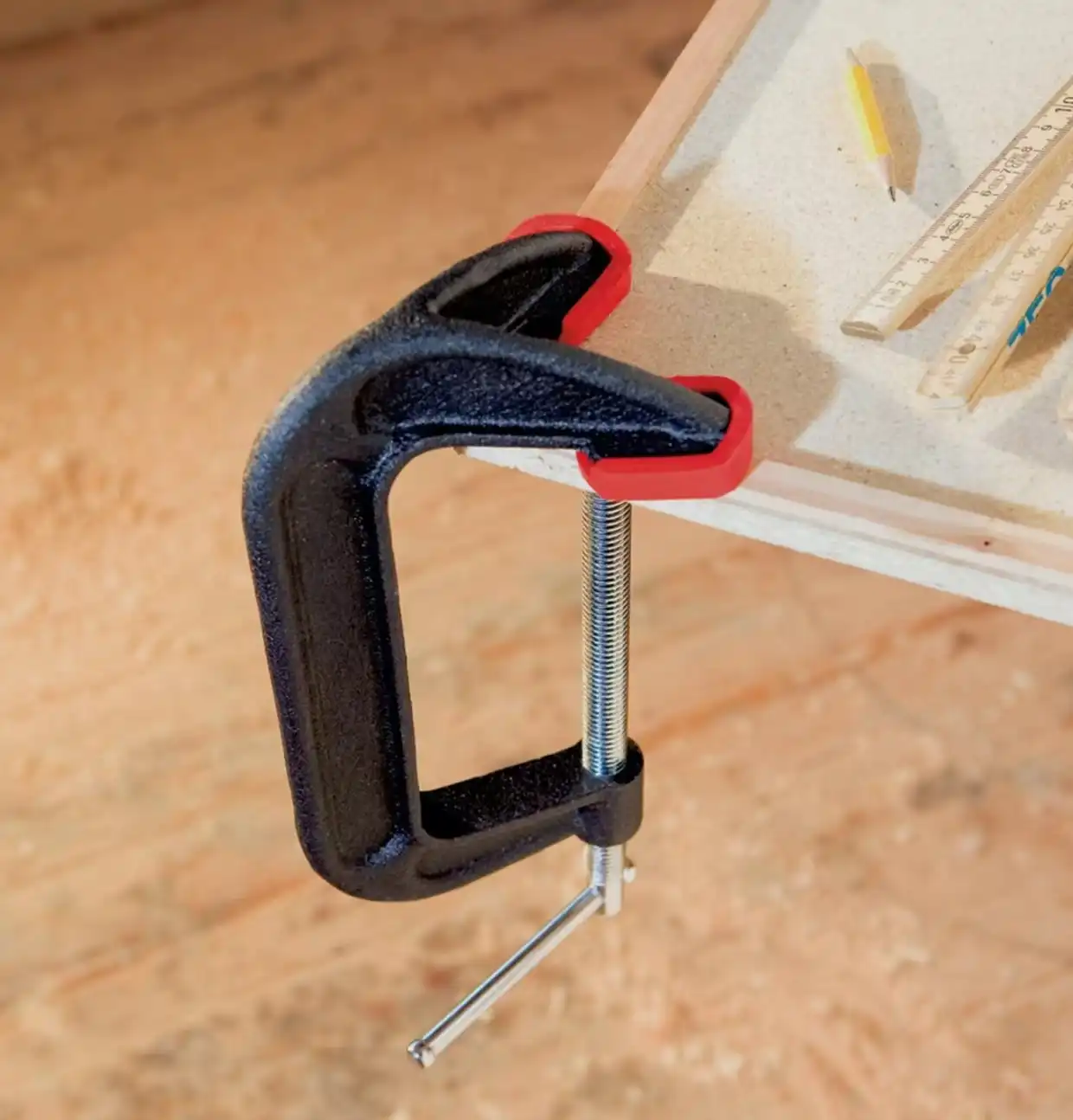
Understanding Double Head Clamps: Definition and Working Principle
What Is a Double Head Clamp?
It has two binding lips that can be adjusted separately and work together. This is much more stable and better at spreading out pressure than single-head clamps. These tools usually have a strong frame, an easy-to-use handle, and teeth that are made to hold materials tightly without slipping or damaging the object. The dual-head design lets users apply even force across several places of touch at the same time.
How Does a Double Head Clamp Work?
The way it works depends on dual tightening movements that have to be in sync. This is done through precision-threaded screw systems. When the handle is turned by the workers, both heads move at the same time to put even pressure on both sides of the workpiece. This coordinated action spreads the force evenly, which stops the material from bending and keeps the line perfect during long working periods. The threaded rod system lets users make very small changes so they can get the exact amount of power they need.
Materials Commonly Used in Double Head Clamps
Quality double head clamps are made with flexible cast iron and steel screw rods so they are durable and reliable. The pliable cast iron holds its shape during long periods of use and resists bending or breaking when big things are placed on it. Steel screw rods allow for smooth action and exact placement. Painted or electroplated coats are surface finishes that protect against rust and make parts last longer in tough industrial settings.
Applications and Benefits of Double Head Clamps in Industrial Settings
Common Uses of Double Head Clamps
These adaptable gluing tools work great for a lot of different tasks in the industry. They are especially useful in woodworking, where they help with frame setups and keep big boards in place while the glue dries. Metalworking pros count on them for welding tools and cutting sets where constant pressure is important for quality. These tools are used by construction teams to make temporary links in structures and build forms. They are also used in educational groups and maker spaces because they are easy to use for student projects and testing.
The advantages of incorporating double head clamps into industrial operations are substantial and measurable. Here are the core benefits these tools deliver:
- Enhanced Stability: The dual-head configuration provides superior workpiece control compared to single-point clamping solutions, reducing movement and vibration during critical operations.
- Increased Productivity: Faster setup times and reduced repositioning requirements accelerate workflow processes, allowing teams to complete projects more efficiently.
- Versatile Application Range: Adaptability to diverse materials and environments makes these clamps valuable across multiple departments and project types.
- Improved Safety: Reliable holding power reduces the risk of workpiece movement during operations, protecting both operators and equipment from potential accidents.
These operational advantages translate directly into measurable productivity improvements and enhanced safety standards across manufacturing environments.
Types of Double Head Clamps and Their Specific Uses
There are many different kinds of dual head clamps that can be used for different purposes. Models that can be changed are able to suit different sized needs, which makes them perfect for groups that work with a range of project sizes. Fixed-configuration clamps are good for standard-sized jobs that need to be done over and over again. Heavy-duty versions can handle the tough demands of industry, and lightweight versions are easier to carry around for fieldwork and mobile shops.
Double Head Clamps vs Other Clamping Solutions: How to Choose the Right Clamp
Double Head Clamp vs Single Head Clamp
Double head clamps have two gripping areas that make them much stronger and more stable. Because of this, they are the best choice for heavy or more complicated assembly jobs. Single head clamps are easier to use and cheaper, but they don't spread pressure evenly, which is important for high-precision uses that need to control the part exactly.
Double Head Clamp vs C Clamp
C-clamps are very useful and work with many different things, but double-head clamps are better because they grip more evenly and are easier to use. This benefit is very clear when exact pressure on both sides of the item is needed. C-clamps may cause unevenly stressed areas in these situations.
Double Head Clamp vs Toggle Clamp
Toggle clamps are great for quickly clamping and releasing things with a medium amount of force. This makes them a good choice for repeated production settings. For static or semi-permanent fittings where holding power over time is more important than quick operation, double head clamps give stronger, more uniform pressure.
Procurement Considerations for Double Head Clamps
Buying Double Head Clamps: Where and How to Source
Specialized sellers, maker websites, and trustworthy online shops that meet professional tool needs all make it easy for industrial buyers to get good double head clamps. The ability to customize measurements, materials, and finishes, as well as buy in bulk, are great for both the function and the cost of purchase. Often, the best prices and expert help for special needs can be found by working directly with makers.
Price Factors and Budgeting for Double Head Clamps
The price depends on the quality of the material, the size of the clamp, the brand, and any other features that are added to the design. Understanding these things helps buying teams make reasonable goals and find tightening solutions that are cheap, long-lasting, and useful in the long term. The price of different suppliers depends on the material specs, accuracy in production, and approval standards.
Leading Brands and Supplier Comparisons
Different providers with different kinds of knowledge about dual head clamp design and production can be found in the market. Some of them focus on heavy-duty uses with better sturdiness, and others focus on making them easier to use or on specific clamp types for niche purposes. Procurement workers get better deals by comparing several sellers to make sure that the product features, business needs, and budget limitations all line up.
Maintenance, Safety Tips, and Best Practices for Double Head Clamps
Safety Guidelines When Using Double Head Clamps
Following safety rules, such as wearing the right gear, gripping the clamp and applying force correctly, and paying close attention to avoid over-tightening, which could damage the materials or cause safety risks, are all important for proper clamp use. To get the best results in terms of safety and efficiency, operators should learn how to properly setup and fix equipment.
Maintenance Guide for Longevity and Optimal Performance
Regular care makes clamps last a long time and keeps them working well. This includes regular cleaning to get rid of dirt and other things that don't belong, making sure that moving parts are lubricated according to the manufacturer's instructions, and checking the equipment every so often to look for wear or damage before it affects how it works. When clamps are not being used, storing them in a controlled environment saves them from rust and damage.
Troubleshooting Common Issues
Jaw deformation, thread loss, or handle damage that should be fixed right away are all common signs of wear and tear. Screwing lubrication and other small maintenance problems can usually be fixed right away with normal maintenance tools. But if a lot of damage happens or a part fails, it needs to be replaced right away to keep safety standards and working effectiveness.
Conclusion
Double head clamps are very important for industrial work that needs a balanced, strong holding force on a wide range of materials and types of projects. Because of their two-headed design, they are much more stable and better at spreading out pressure than other tools with a single-point design. This makes them very useful for woodworking, welding, and building. Understanding the different kinds, uses, and ways to get these items makes it possible for users to choose the best options that increase productivity while also keeping safety standards in mind. These tools will stay useful in tough industrial settings as long as you use good building materials, maintain them correctly, and work with trustworthy suppliers.
FAQs
What factors should I consider when choosing a double head clamp for woodworking applications?
Consider material compatibility, clamp size relative to your typical workpieces, adjustability range, and holding power specifications. Ensure the clamp jaws won't damage delicate wood surfaces while providing sufficient pressure for secure bonding during glue-up operations. Look for models with protective jaw covers or soft contact surfaces for sensitive materials.
How can double head clamps improve assembly line efficiency in manufacturing environments?
Double head clamps reduce repositioning time through stable, dual-point clamping that holds parts securely during assembly operations. This stability improves accuracy, reduces rework requirements, and enhances the speed of repetitive assembly tasks. The balanced pressure distribution also minimizes workpiece distortion that could affect downstream operations.
Can double head clamps be customized for specific industrial applications?
Yes, many manufacturers offer extensive customization options including specialized dimensions, alternative materials, protective coatings, and ergonomic features designed to match precise operational requirements and environmental conditions. Custom jaw configurations and pressure ranges can be developed for unique application needs.
Partner with FLA Industrial for Premium Double Head Clamp Solutions
Discover comprehensive clamping solutions designed to meet your industrial requirements through our extensive product portfolio at FLA Industrial & Trading Co., Ltd. With nearly 40 years of manufacturing excellence, we deliver superior quality double head clamps featuring malleable cast iron construction and precision steel screw rods. Our ISO9001 certified manufacturing processes ensure consistent performance and reliability across all applications, from wood panel splicing to complex frame clamping operations.
Our engineering team understands the demanding requirements of industrial environments and has developed clamping solutions that exceed performance expectations. We maintain substantial inventory levels to support immediate delivery requirements while offering customization capabilities for specialized applications. As a trusted double head clamp supplier, we provide comprehensive technical support throughout your procurement process, including 3D design verification and detailed production updates.
Experience the difference that quality manufacturing and dedicated customer service make in your operations. Contact our technical sales team at sales@flaindustrial.com to discuss your specific clamping requirements and receive detailed product specifications.
References
Industrial Clamping Technology Handbook, Manufacturing Engineering Society, 2023 Edition
Woodworking Tool Safety and Performance Standards, American Woodworking Institute, 2022
Metalworking Fixture Design and Clamping Systems, Industrial Press Publications, 2023
Quality Control in Industrial Tool Manufacturing, International Standards Organization, 2022
Ergonomic Design Principles for Industrial Hand Tools, Occupational Safety Research Institute, 2023
Materials Engineering for Industrial Clamping Applications, Materials Science Journal, Volume 45, 2023