Grooved Blind Flange: A Guide To Industrial Applications
In the complex network of industrial piping, the ability to securely terminate a line is just as crucial as connecting one. This is where the grooved blind flange proves its immense value. Essentially, it is a specialized cap designed to seal the end of a pipe within a grooved piping system. Unlike a permanent weld or a cumbersome bolted flange, this component offers a simple, reliable, and often removable solution for closing off a pipeline. Its application is vital across numerous sectors, preventing fluid leakage, maintaining system pressure, and providing easy access for future modifications or maintenance. This makes it an indispensable fitting in everything from fire protection and HVAC to mining and water treatment systems.
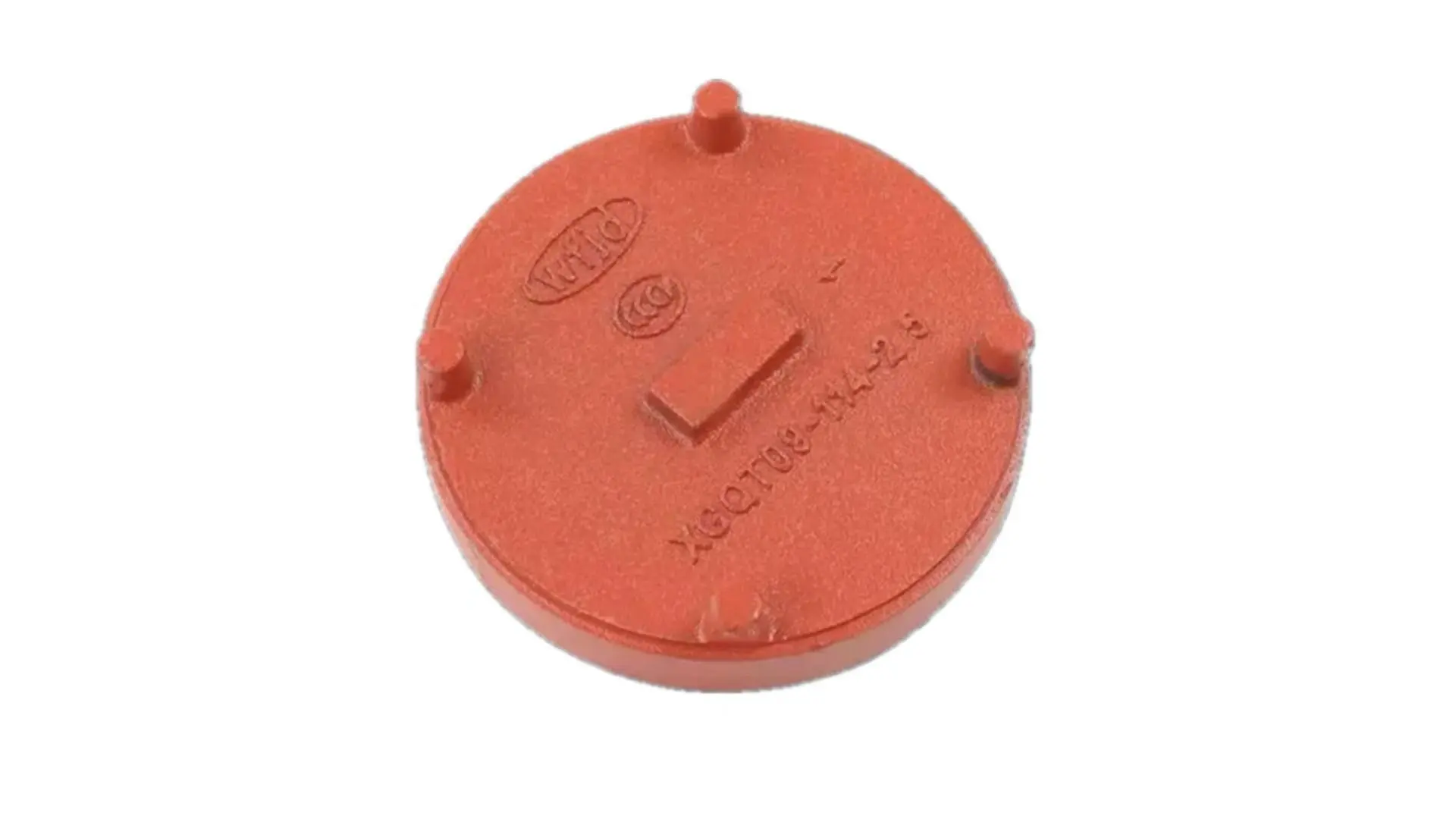
The Design and Function of a Grooved Blind Flange
What Makes the "Grooved" Design Superior?
Traditional methods for capping a pipe, such as welding or using a standard bolted flange, can be labor-intensive, time-consuming, and permanent. A grooved system revolutionizes this process. The pipe ends feature a rolled or cut groove, and the grooved blind flange is designed with a profile that mates with this groove. A specialized coupling then encloses the pipe end and the flange, securing them together. This mechanical joint eliminates the need for welding, special tools, or extensive installation time. The primary advantage is speed and flexibility. A line can be capped or uncapped in minutes, a significant benefit during construction, system testing, or maintenance.
How It Creates a High-Integrity Seal?
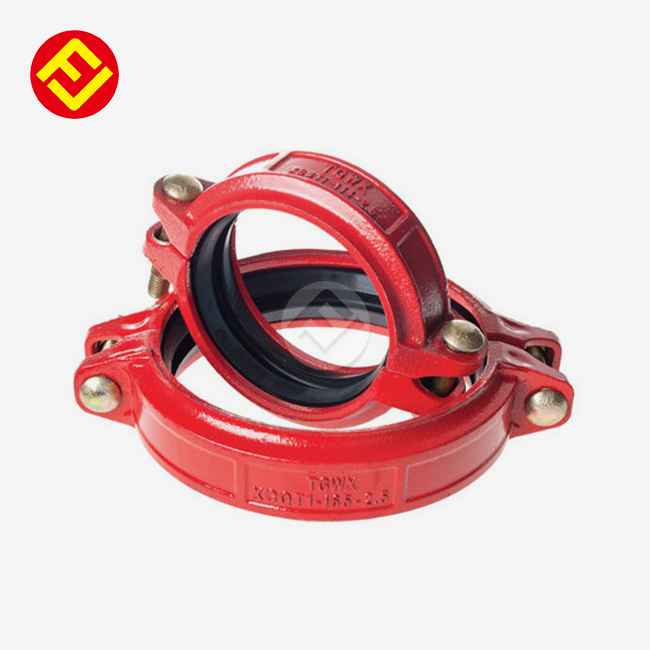
The security of the seal comes from the synergy of three components: the grooved pipe end, the grooved blind flange, and a gasket-and-coupling assembly. The flange itself acts as the solid barrier. An elastomeric gasket is placed over the pipe end and the flange, creating the initial seal. The two halves of a rigid or flexible coupling are then positioned into the grooves on the pipe and the flange. As the bolts on the coupling are tightened, the coupling compresses the gasket, creating a leak-tight, high-pressure seal around the full circumference of the pipe. This design ensures that the fitting can prevent leaks and maintain high-pressure stability within the system, even under conditions of vibration, expansion, and contraction.
Materials and Construction for Durability
The reliability of a pipe termination point depends heavily on the quality of its materials. Grooved blind flanges are typically manufactured from high-strength ductile iron, a material known for its excellent tensile strength, durability, and resistance to impact. This ensures the flange can withstand the significant internal pressures of industrial systems. To enhance their longevity, these components are often coated with protective layers, such as paint or galvanization, to resist corrosion. This is especially important in environments like water treatment plants or outdoor fire protection systems where exposure to moisture is constant. The precision manufacturing of these flanges guarantees consistent dimensions, ensuring a perfect fit and a dependable seal every time.
Key Industrial Applications and Their Benefits
Fire Protection Systems
In fire protection systems, reliability is not optional. Grooved piping is the standard in this industry, and the grooved blind flange plays a critical role. It is frequently used to cap the end of main and branch lines. This allows for future expansion of the sprinkler system with minimal disruption. It also provides essential access points for system maintenance. For instance, a blind flange can be easily removed to allow for flushing of the system to clear out debris or for conducting hydrostatic pressure tests. Its ability to be quickly installed and removed without compromising the integrity of the system makes it an invaluable component for ensuring fire protection networks are always ready and functional.
HVAC and Water Treatment Plants
Heating, Ventilation, and Air Conditioning (HVAC) systems and water treatment facilities involve extensive piping networks that are often subject to pressure fluctuations and corrosive environments. A grooved blind flange is an ideal choice for sealing pipe ends in these applications. The ductile iron construction and protective coatings offer excellent resistance to corrosion from treated water or condensation. In HVAC, these flanges are used to cap off chilled or hot water lines during phased construction or for future equipment tie-ins. In water treatment, they provide secure seals on process lines, preventing leakage of chemicals or untreated water and ensuring high-pressure stability is maintained throughout the plant.
Mining, Construction, and Temporary Piping
The environments in mining and construction are demanding and dynamic. Piping systems are often temporary or need to be reconfigured as a project progresses. The grooved blind flange is perfectly suited for this. It allows crews to quickly and safely cap off water, dewatering, or slurry lines. When a pipeline needs to be extended or rerouted, the blind flange can be removed in minutes, saving significant time and labor compared to cutting and re-welding a pipe. This makes it an essential fitting for managing fluid transfer on a worksite efficiently and for future-proofing installations by creating easy-access points for system expansion.
Installation and Maintenance Best Practices
A Step-by-Step Guide to Proper Installation
The installation process is straightforward but requires attention to detail. First, ensure the pipe end groove is clean and free from any debris, dirt, or oil. Next, apply a thin layer of a compatible lubricant to the gasket and the exterior of the pipe end and flange. This helps the gasket slide into place without being pinched or damaged. Place the gasket over the pipe end, ensuring it is not twisted. Then, fit the grooved blind flange against the gasket. Place the two halves of the coupling over the gasket and into the grooves. Finally, tighten the bolts and nuts on the coupling evenly until the bolt pads make metal-to-metal contact, indicating a secure connection.
Routine Inspection and Maintenance
Periodic inspection is key to long-term performance. Visually inspect the exterior of the coupling and flange for any signs of corrosion or physical damage. Check the coupling bolts to ensure they remain tight, especially in systems prone to heavy vibration. The most critical component to monitor over the long term is the gasket. While gaskets are designed for a long service life, they can degrade over time due to chemical exposure or extreme temperatures. During planned system shutdowns, it is good practice to disassemble a connection to inspect the gasket for signs of cracking, hardening, or swelling and replace it if necessary.
Common Mistakes to Avoid
Several common errors can compromise the integrity of the connection. One mistake is using the wrong type of gasket for the fluid being transported, which can lead to rapid degradation and leaks. Another is over-tightening or under-tightening the coupling bolts. Under-tightening will result in a leak, while extreme over-tightening can damage the bolts or the coupling itself. Always tighten until the bolt pads meet. Failing to properly clean the pipe groove or lubricate the gasket can also lead to a poor seal or a damaged gasket. Taking a few extra moments to follow the correct procedure prevents costly downtime and potential safety hazards.
Conclusion
The grooved blind flange is a testament to simple, effective engineering. It offers a superior method for sealing the end of a pipe, blending security, versatility, and efficiency. From ensuring the readiness of fire protection systems to providing flexibility on construction sites, its applications are as broad as they are critical. Its ability to create a secure, high-pressure seal that can be easily installed, removed, or adapted for future use makes it an essential component in any modern grooved piping system. By choosing high-quality fittings and adhering to proper installation practices, you can ensure your piping infrastructure remains secure, reliable, and prepared for the future.
FAQs
What is the difference between a grooved blind flange and a grooved end cap?
Both seal pipe ends, but a blind flange uses a coupling, while an end cap combines both in one piece. Flanges suit higher-pressure systems and larger access points.
Can a grooved blind flange be reused?
Yes, if undamaged or corrosion-free. Always replace the gasket when reassembling to maintain a proper seal.
What pressure ratings are available for these components?
Ratings depend on size, material, and coupling - typically 300 to 1000 PSI. Always check manufacturer specs for accuracy.
Partnering with the Right Grooved Blind Flange Manufacturer | FLA Industrial
Ensuring your piping system is secure starts with choosing components from a trusted source. A high-quality grooved blind flange, designed to prevent leaks and maintain high-pressure stability, is essential for system integrity. As a leading manufacturer with nearly 40 years of experience, Shanxi FLA Industry and Trade Co., Ltd. is a supplier you can depend on. Our factory leverages advanced technology and strict quality management to produce reliable malleable iron pipe fittings for global markets. Contact us at sales@flaindustrial.com to partner with an expert.
References
American Society of Mechanical Engineers (ASME). "B31.1: Power Piping Code."
American Water Works Association (AWWA). "C606: Grooved and Shouldered Joints."
National Fire Protection Association (NFPA). "NFPA 13: Standard for the Installation of Sprinkler Systems."
Nayyar, Mohinder L. "Piping Handbook, 7th Edition." (Chapter on Pipe Joints).
Victaulic. "Grooved Piping Installation Handbook." (General industry best practices).
Heins, Conrad F. "Pipe and Tube Bending Manual." (Sections on pipe-end preparations and fittings).
Send your inquiry now and start your cooperation with our experienced team.