How Safe is a Pneumatic Lift Jack to Operate?
A pneumatic lift jack, when operated correctly, is an exceptionally safe and efficient tool. Its safety profile is built on a combination of robust engineering, reliable power sources, and straightforward operation. Unlike purely mechanical jacks that can be prone to slipping or hydraulic jacks that can develop slow leaks, a high-quality air jack provides a stable and controlled lift powered by compressed air. The key to its safety lies not just in the tool itself, but in the partnership between a well-manufactured device and a knowledgeable operator. Proper training, adherence to safety protocols, and regular maintenance are the pillars that transform this powerful piece of equipment into one of the most dependable lifting solutions in any professional workshop or industrial setting.
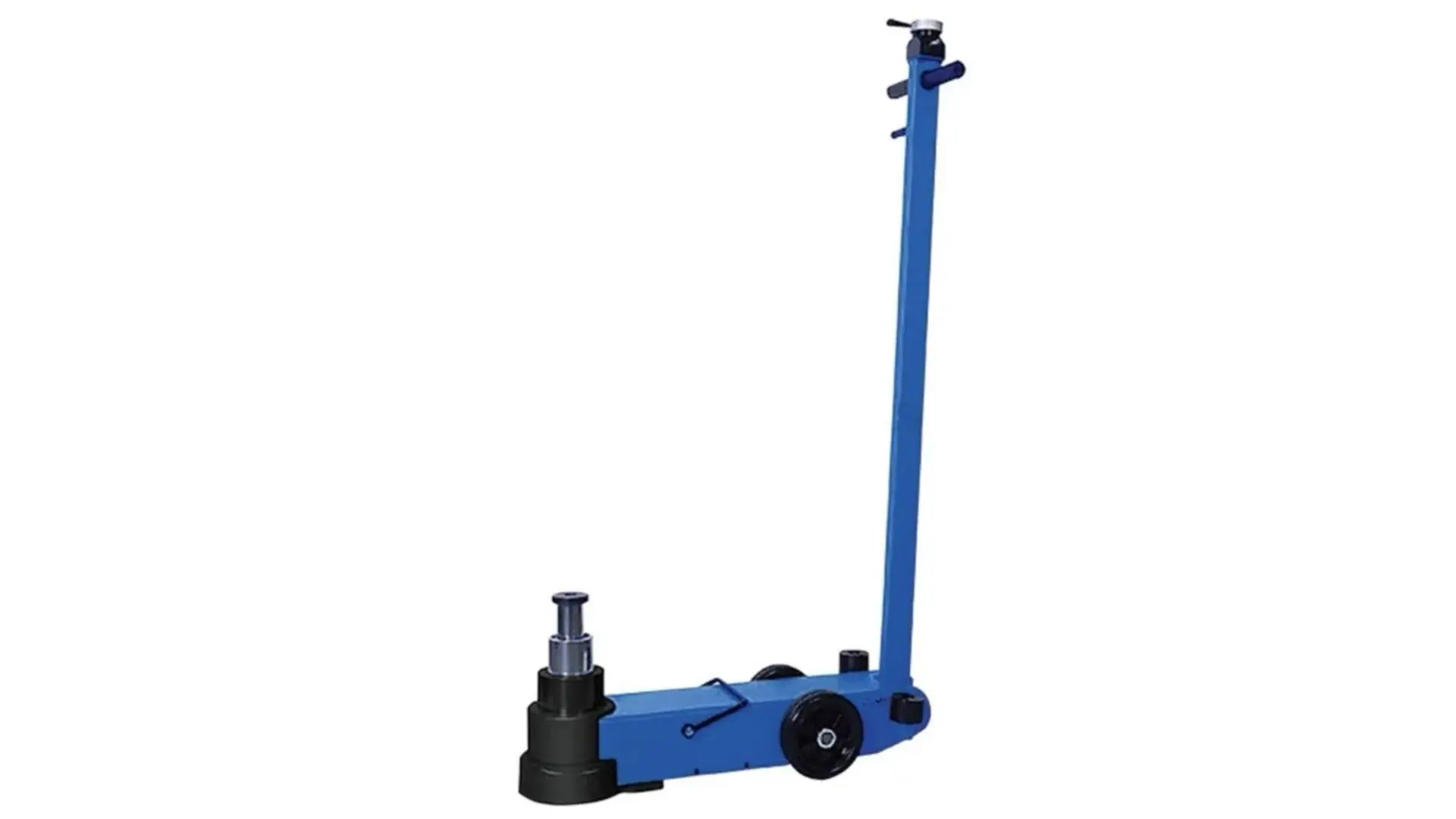
Understanding the Core Safety Features of a Pneumatic Lift Jack
Robust Construction: The First Line of Defense
The foundation of any safe lifting device is its physical integrity. A dependable pneumatic jack is built from heavy-duty steel, a material chosen for its strength and resilience under extreme pressure. This core construction is often enhanced with a corrosion-resistant surface treatment, which is critical for preventing rust and degradation that could compromise the jack's structural soundness over time. Welds are precise and strong, ensuring that all components form a single, unyielding unit. This focus on high-quality materials and manufacturing creates a tool that can withstand the rigors of demanding environments, from busy automotive repair shops to rugged construction sites. The solid, compact design not only ensures a reliable load-bearing capacity but also contributes to a long service life, making it a trustworthy piece of equipment day after day.
Stable and Controlled Lifting Mechanism
One of the standout safety advantages of a pneumatic lift jack is the nature of its lifting action. Powered by compressed air, the lift is remarkably smooth and steady. There are no sudden jerks or unsteady movements that can shift a load and create a hazardous situation. The operator has precise control over the ascent and descent, allowing for small adjustments as needed. This fast lifting speed and high efficiency come with stable performance, which is essential when positioning heavy equipment or vehicles. The wide base of most pneumatic jacks provides a stable footprint on the ground, minimizing the risk of tipping. This inherent stability is a significant safety benefit, especially in environments requiring frequent or rapid lifting where speed must not come at the expense of security.
Built-in Safety Mechanisms
Modern pneumatic lift jacks are equipped with several built-in safety features designed to prevent failure. A critical component is the overload valve. This valve automatically prevents the jack from lifting a load that exceeds its rated capacity, which is one of the most common causes of jack failure. Another key feature is a pressure relief system that protects the internal components from being damaged by excessive air pressure from the compressor. Some air-over-hydraulic models also include features that lock the jack in place in the event of a sudden loss of air pressure. These integrated systems act as a fail-safe, providing an essential layer of protection and helping to reduce labor intensity by improving overall operational safety.
The Operator's Role: Best Practices for Safe Operation
Pre-Lift Inspection: Your Essential Safety Checklist
Before any load is lifted, a thorough pre-use inspection is mandatory. This quick but vital routine can identify potential issues before they become dangerous. Check the air hose for any cracks, bulges, or signs of abrasion that could lead to a rupture under pressure. Examine all fittings and connections to ensure they are tight and free of leaks. Inspect the pneumatic lift jack's frame, saddle, and lifting arm for any signs of bending, cracks, or excessive wear. Finally, confirm that your air compressor is set to deliver pressure within the jack's recommended operating range. This simple checklist takes only a minute but is the first and most important step in safe operation.
Proper Positioning and Load Management
How and where you use the jack is just as important as the jack's condition. Always operate a pneumatic lift jack on a hard, level, and stable surface. Using a jack on soft ground, asphalt on a hot day, or an uneven slope can lead to it shifting or sinking, causing the load to become unstable. Identify the vehicle or equipment manufacturer's recommended lifting points. Placing the jack's saddle on a weak or incorrect point can damage the load and create a severe safety hazard. Center the load carefully on the saddle to ensure it is balanced. Never attempt to lift more than the jack's maximum rated capacity, which should be clearly marked on the tool.
The Golden Rule: Never Work Under a Load Supported Only by a Jack
This is the most important rule of all. A pneumatic jack is a lifting device, not a support device. Once the load has been lifted to the desired height, you must immediately secure it with appropriately rated jack stands. Position the jack stands under a strong point of the vehicle's frame or axle, then slowly lower the jack until the load is resting securely on the stands. Only after the load is fully supported by the jack stands is it safe to work underneath. This critical step protects you in the unlikely event of a jack failure, ensuring your personal safety.
Maintenance and Long-Term Reliability: Ensuring Your Jack Stays Safe
Regular Maintenance Routines
Create a simple schedule for routine maintenance. After each use, wipe down the pneumatic lift jack to remove dirt, grease, and moisture, paying close attention to moving parts. Regularly inspect the air system components, as even a small leak can affect performance and safety. For air-over-hydraulic models, check the hydraulic fluid level periodically and top it off or replace it according to the manufacturer's recommendations. Lubricating pivot points and wheels will ensure smooth operation and prevent parts from seizing. This proactive approach helps maintain the jack's stable performance and high efficiency.
Proper Storage to Prevent Damage
How you store your pneumatic jack can significantly impact its longevity and safety. When not in use, store it in a clean, dry area to prevent rust and corrosion. Storing the jack in its fully lowered position helps protect the piston and seals from contaminants and damage. Disconnect the air hose to release any residual pressure in the system. Avoid storing heavy objects on top of the jack and ensure the air hose is coiled neatly without any kinks or sharp bends that could cause damage over time. Proper storage protects your investment and ensures it is ready for safe use whenever you need it.
Knowing When to Retire or Repair
Even the most durable tools have a finite lifespan. It is crucial to recognize the signs that a pneumatic jack needs to be professionally repaired or retired from service. If you notice any fluid leaks from an air-over-hydraulic model, a bent or cracked frame, or if the jack struggles to lift loads well below its capacity, it should be immediately taken out of commission. A jack that fails to hold a load or lowers on its own is a clear and present danger. Never attempt to perform complex repairs or weld a damaged frame yourself. Always consult the manufacturer or a qualified professional for servicing.
Conclusion
So, how safe is a pneumatic lift jack? The answer is clear: it is a very safe tool when its strengths are respected and its requirements are met. The combination of heavy-duty construction, stable air-powered lifting, and built-in safety mechanisms provides a powerful and reliable foundation. However, this safety is only fully realized in the hands of a responsible operator who performs pre-lift checks, follows proper lifting procedures, and commits to regular maintenance. By pairing a high-quality jack with safe work habits, you can harness its incredible efficiency and power with complete confidence, making any lifting task quicker, easier, and, most importantly, safer.
FAQs
What is the main advantage of a pneumatic jack over a standard hydraulic one?
A pneumatic jack lifts loads faster and with less effort using compressed air, boosting efficiency in workshops and industrial settings.
Is it safe to use a pneumatic jack in the rain or wet conditions?
Avoid wet use; slippery surfaces and moisture can cause instability and corrosion. Use on a non-slip base and dry thoroughly after.
Can I use a smaller air compressor with a large pneumatic jack?
No. The compressor must meet the jack's CFM and PSI specs; undersized units slow lifting and reduce performance.
Your Reliable Pneumatic Lift Jack Manufacturer and Supplier | FLA Industrial
When safety is paramount, the quality of your equipment is non-negotiable. A pneumatic lift jack built by an experienced manufacturer ensures that features like heavy-duty steel construction and reliable load-bearing capacity are not just marketing terms but guaranteed standards. As a leading supplier with nearly 40 years of expertise, Shanxi FLA Industry and Trade Co., Ltd. provides lifting devices you can trust. Our factory's advanced technology and strict quality management deliver performance that keeps your team safe. Contact us at sales@flaindustrial.com to learn more.
References
Occupational Safety and Health Administration (OSHA). "Vehicle Maintenance: Safety for Working Under Vehicles."
American National Standards Institute (ANSI)/Automotive Lift Institute (ALI). "Safety Requirements for Operation, Inspection and Maintenance of Automotive Lifts."
National Institute for Occupational Safety and Health (NIOSH). "Preventing Worker Deaths and Injuries from Falls Through Skylights and Roof Openings." (Guidance on elevated work safety applicable to lifting principles).
Chudley, R., and Greeno, R. "Building Construction Handbook." (Sections on site equipment and safety).
Halderman, James D. "Automotive Technology: Principles, Diagnosis, and Service." (Chapters on workshop safety and lifting equipment).
Society of Automotive Engineers (SAE) International. "J2184: Vehicle Lifting-Jacks, Stands, and Support Devices."

Send your inquiry now and start your cooperation with our experienced team.