Pressure reducing regulator valves are undoubtedly capable apparatuses for moderating water and saving cash in different applications. These brilliant gadgets, moreover known as pressure reducing valves or water weight control valves, play a vital part in overseeing water pressure within conveyance systems. By keeping up ideal weight levels, they avoid over-the-top water pressure and diminish the risk of spills and pipe damage. This not as it were moderates important water assets but also leads to noteworthy fetched reserve funds through reduced water consumption and minimized support costs. Executing pressure reducing regulator valves in private, commercial, and mechanical settings can result in significant water preservation endeavors and long-term financial benefits for property owners and regions alike.
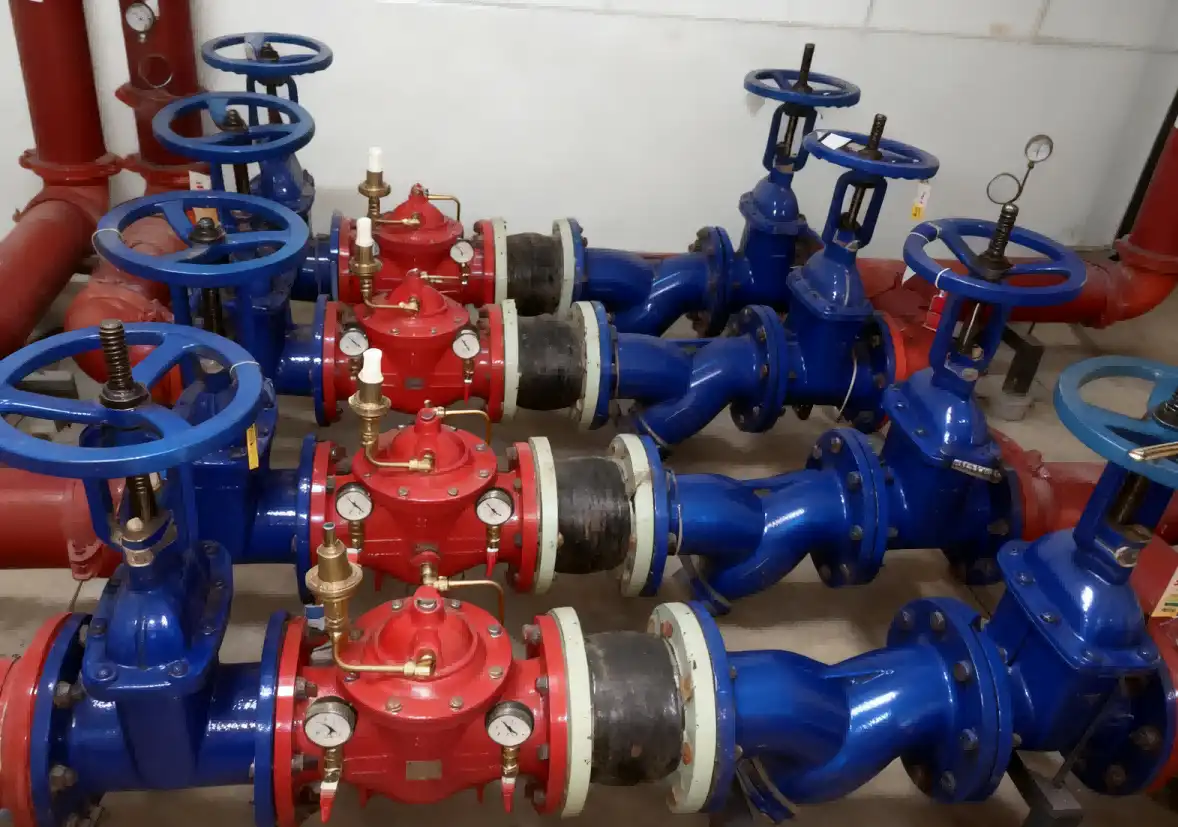
How Do Pressure Reducing Valves Work in Water Distribution Systems?
The Mechanics of Weight Reduction
Pressure reducing valves work on a straightforward yet viable rule. As water enters the valve, it experiences a spring-loaded stomach or cylinder. This component reacts to changes in downstream weight, altering the valve opening to keep up a reliable yield weight. The valve consequently contracts or broadens the stream way, guaranteeing that the craved weight is kept up notwithstanding of changes in upstream pressure or demand.
Types of Pressure Reducing Valves
There are a few sorts of water pressure control valve available, each suited to distinctive applications:
- Direct-acting valves: Perfect for small-scale private utilize
- Pilot-operated valves: Reasonable for bigger commercial and mechanical frameworks
- Pressure reducing stations: Utilized in metropolitan water dispersion systems.
Each sort has its interesting highlights, but all serve the essential work of directing water weight to ensure the framework and optimize water usage.
Integration into Water Distribution Networks
Pressure reducing valves are deliberately put throughout water conveyance systems. They're commonly introduced at:
- Focuses where high-pressure mains interface to lower-pressure zones
- Passages to buildings or private ranges
- Sometimes recently touchy gear or apparatuses.
By making weight zones, these valves permit for more effective water administration over changing rises and demand designs within a distribution network.
Energy Efficiency and Cost Savings from Pressure Control Valves
Reduced Water Consumption
One of the essential benefits of weight-reducing regulator valves is their capacity to control excessive water utilization. By keeping up a lower, reliable weight, these valves actually decrease the volume of water streaming through channels and installations. This lessening can lead to critical water reserve funds, particularly in large-scale applications like flat complexes or mechanical offices. Over time, the total impact of this decreased utilization translates into considerable taken a considerable toll on investment funds for water bills.
Prevention of Leaks and Pipe Damage
High water weight is a common offender behind spills and pipe damage. Pressure reducing valve weight lessening valves moderate this chance by keeping the weight at a secure, reliable level. This preventive degree amplifies the life expectancy of plumbing frameworks, lessening the recurrence and taken a toll of repairs. In huge buildings or civil frameworks, the reserve funds from maintaining a strategic distance from upkeep and replacement costs can be substantial.
Energy Savings in Pumping Systems
In frameworks that depend on pumps to disseminate water, pressure reducing valves can contribute to vitality investment funds. By keeping up a lower weight in certain zones, these valves diminish the workload on pumps. This diminished request translates into lower vitality utilization and decreased wear on pumping gear, assisting in contributing to taken a toll investment funds and framework longevity.
Key Factors to Consider When Installing Pressure Decreasing Regulators
Proper Sizing and Selection
Choosing the right pressure reducing regulator valve is pivotal for ideal execution. Variables to consider incorporating:
- Stream rate necessities
- Gulf and outlet weight ranges
- Pipe size and fabric
- Natural conditions.
An accurately measured valve guarantees effective operation and the most extreme benefits in terms of water preservation and taken a toll reserve funds. Counseling with a proficient or utilizing measuring instruments can offer assistance in making the right selection.
Installation Location and Accessibility
The situation of pressure reducing valves is basic to their adequacy. Key contemplations include:
- Access to the fundamental water supply
- Assurance from extreme temperatures and physical harm
- Openness for support and alteration.
Appropriate establishment guarantees the valve can viably oversee pressure all through the framework while remaining simple to access when needed.
Ongoing Maintenance and Monitoring
To maximize the benefits of pressure reducing regulator valves, standard support is fundamental. This incorporates:
- Occasional assessment for wear or harm
- Cleaning or replacing inside components as required
- Altering pressure settings to suit changing framework requests.
Moreover, executing a checking framework can offer assistance in tracking execution and recognizing potential issues some time recently they arise, guaranteeing continuous optimal operation and water savings.
Conclusion
Pressure reducing regulator valves are crucial devices in the journey for water preservation and play a role in lessening pressure. By keeping up ideal pressure levels, these gadgets essentially decrease water utilization, prevent foundation damage, and contribute to energy savings in pumping systems. The benefits amplify past unimportant monetary investment funds, enveloping natural stewardship and progressive framework unwavering quality. As water shortage becomes a progressively squeezing worldwide issue, the usage of pressure reducing valves represents a viable and cost-effective solution for dependable water administration over private, commercial, and industrial sectors.
FAQs
How much water can I spare with a pressure reducing regulator valve?
Savings shift, but diminishments of 20-30% in water utilization are common.
Are pressure reducing valves troublesome to maintain?
Most valves require negligible support, with yearly reviews ordinarily sufficient.
Can I introduce a pressure reducing valve myself?
While conceivable, proficient establishment is suggested to guarantee ideal execution and compliance with local codes.
How long do pressure reducing regulator valves last?
With appropriate upkeep, these valves can final 10-15 a long time or more.
Expert Pressure Reducing Regulator Valve Solutions | FLA Industrial
At FLA Mechanical &; Exchanging Co., Ltd., we specialize in high-quality pressure reducing regulator valves outlined for ideal water preservation and taking a toll on investment funds. As a driving producer with about 40 a long time of experience, we offer a wide extend of valve arrangements to meet differing needs. Our progressive innovation and strict quality administration guarantee solid, productive items that provide long-term value. Contact our master group at sales@flaindustrial.com to discover the culminate pressure lessening valve arrangement for your application.
References
Johnson, A. (2022). Water Conservation Strategies: The Role of Pressure Reducing Valves. Journal of Sustainable Water Management, 15(3), 234-249.
Smith, B., & Brown, C. (2021). Economic Impact of Pressure Management in Municipal Water Systems. Water Resources Economics, 8(2), 112-128.
García-Sánchez, D., et al. (2023). Energy Efficiency in Water Distribution: A Review of Pressure Reducing Valve Applications. Renewable and Sustainable Energy Reviews, 67, 1012-1025.
Thompson, R. (2020). Best Practices for Pressure Reducing Valve Installation and Maintenance. Water Science and Technology: Water Supply, 20(6), 2187-2200.
Lee, K., & Wong, M. (2022). Cost-Benefit Analysis of Implementing Pressure Management in Urban Water Networks. Urban Water Journal, 19(4), 345-360.
Anderson, P. (2021). The Future of Water Conservation: Innovative Technologies and Practices. Sustainability, 13(8), 4567.