The 6 swing check valve is a pivotal component in liquid control frameworks, designed to prevent backflow and keep up unidirectional flow in pipelines. This flexible valve works consequently, utilizing the drive of the liquid to open and near. When liquid streams in the aiming course, the circle swings open, permitting entry. As the stream inverts or stops, the plate swings closed, effectively fixing the pipe. Understanding the operation of a 6-inch valve is basic for legitimate framework plan and support. These valves discover applications in different businesses, including water treatment, fire protection, and mechanical forms, where dependable backflow prevention is foremost. By investigating the complexities of swing check valve operation, engineers and specialists can optimize their frameworks for improved productivity and safety.
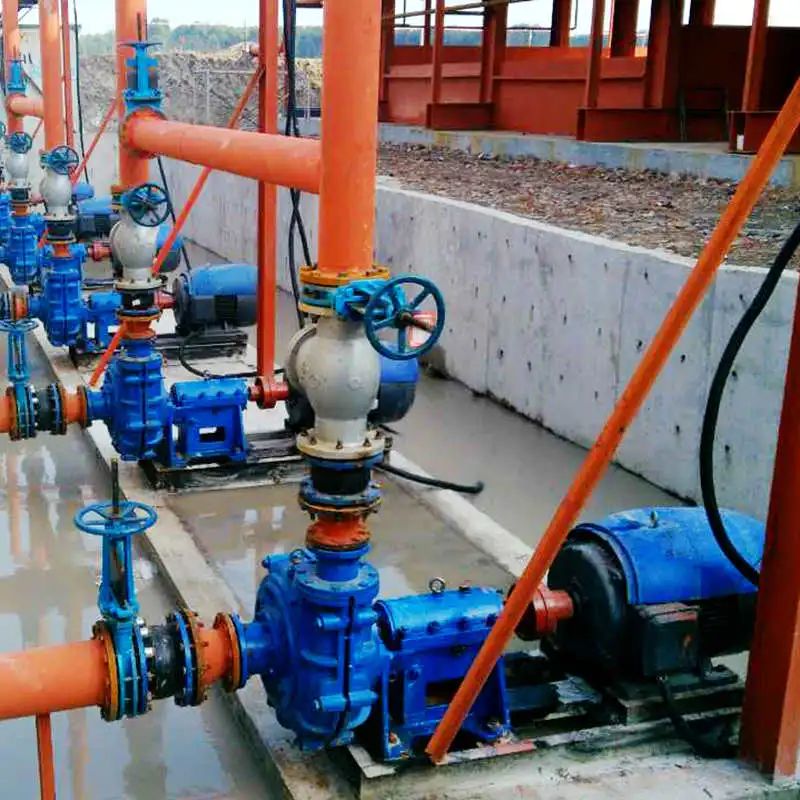
How Do Swing Check Valves Control Reverse Flow in Piping Systems?
Principle of Operation
Swing check valves work on a clear, however, successful guideline. The center component is a pivoted circle that swings like a pendulum inside the valve body. As liquid streams in the wanted heading, it pushes the plate open, making a way for the section. The disc's development is unlimited, allowing for negligible stream resistance. When the stream stops or switches, gravity and backpressure constrain the circle to swing back into its fixed position against the valve situate, successfully blocking turnaround flow.
Design Features
The plan of a 6 swing check valve includes a few key highlights that contribute to its adequacy. The valve body is ordinarily made of tough materials such as cast iron, stainless steel, or carbon steel to withstand high pressures and destructive situations. The circle is carefully designed to give a tight seal when closed while minimizing stream resistance when open. A few models incorporate extra highlights like outside levers or counterweights to upgrade closing speed or give a visual sign of valve position.
Advantages in Flow Control
Swing check valves offer various preferences in stream control applications. Their basic plan translates to dependable operation with negligible upkeep requirements. The valves react rapidly to stream changes, giving quick security against backflow. Not at all like entryway valves or ball valves, swing check valves do not require manual operation or outside control sources, making them perfect for farther or blocked off areas. The full-bore plan of numerous swing check valves, moreover, permits unhindered flow when open, minimizing pressure drop over the valve.
Internal Mechanisms, Flow Direction, and Pressure Drop Characteristics
Internal Components and Their Functions
The inside instrument of a 6 inch valve comprises a few basic components. The plate, the essential moving portion, is connected to the valve body through a pivot stick. This permits smooth swinging movement. The valve situate, regularly machined directly into the valve body or embedded as a separate component, gives a fixing surface for the circle. A few models consolidate a plate arm or lever, which can be utilized to physically work the valve or demonstrate its position. Progressed plans may incorporate housing components to decrease water pond impacts or accelerate closure.
Flow Direction Considerations
Proper establishment of swing check valves is significant for ideal execution. The valve must be situated accurately with regard to stream heading. Regularly, a bolt on the valve body demonstrates the appropriate stream course. Introducing the valve in reverse can lead to quick disappointment and potential framework harm. In flat pipelines, the pivot stick ought to be vertical to permit gravity to help in closure. For vertical establishments, the stream ought to be in the upward direction to ensure the plate closes effectively against backflow.
Pressure Drop Analysis
Understanding weight drop characteristics is basic when selecting and executing swing check valves. When completely open, these valves for the most part show a significant weight drop due to their unhampered stream way. Be that as it may, the genuine weight loss depends on components such as valve size, circle design, and the flow rate. Engineers must consider these parameters to guarantee framework proficiency. It's worth noticing that swing check valves may create more noteworthy weight drops at moo stream rates when the circle is somewhat open. This wonder, known as "circle shudder," can lead to expanded wear and potential clamor issues if not appropriately tended to in framework design.
Applications, Installation Guidelines, and Maintenance Requirements
Industrial and Municipal Applications
The flexibility of 6 swing check valves makes them appropriate for a wide range of applications. In civil water frameworks, these valves ensure pumps from the invert stream and avoid water contamination. Mechanical forms utilize swing check valves in cooling frameworks, chemical exchange lines, and compressed discuss systems. The oil and gas industry depends on these valves for wellhead security and pipeline operations. In fire assurance frameworks, swing check valves play a vital part in keeping up water pressure and preventing backflow from sprinkler systems. Their unwavering quality and programmed operation make them irreplaceable in scenarios where consistent stream observing is illogical or impossible.
Installation Best Practices
Proper establishment of swing check valves is fundamental for ideal execution and life span. Start by completely flushing the pipeline to evacuate flotsam and jetsam that might have meddled with valve operation. Guarantee redress introduction about the stream course, regularly shown by a bolt on the valve body. For flat establishments, position the pivot stick vertically to permit gravity-assisted closure. In vertical pipelines, introduce the valve with the stream moving upwards. Give satisfactory support to avoid excessive stress on the valve body and interface channels. Consider introducing segregation valves upstream and downstream to encourage future upkeep. When fixing rib jolts or strung associations, follow after producer rules to prevent twisting of the valve body.
Maintenance and Troubleshooting
While swing check valves are for the most part low-maintenance gadgets, standard assessment and upkeep are fundamental for long-term performance. Intermittently check for signs of spillage around seals and associations. Tune in for bizarre clamors amid operation, which may show plate ripple or other issues. In frameworks with occasionally utilized, cycle the valve once in a while to prevent it from staying. If dismantling is required, carefully assess the plate, pivot stick, and situate for wear or harm. Supplant components as vital, utilizing as it were manufacturer-approved parts. Address any signs of erosion expeditiously to avoid advanced weakening. In challenging situations, consider actualizing a prescient upkeep program utilizing acoustic or vibration monitoring to identify early signs of valve degradation.
Conclusion
The 6 swing check valve stands as a foundation in liquid control frameworks, advertising solid backflow avoidance through its carefully basic plan. By tackling the control of liquid flow, these valves give programmed, bidirectional assurance without the requirement for outside control or complex control instruments. Their flexibility over different businesses underscores their significance in keeping up framework judgment and operational proficiency. As innovation progresses, swing check valve plans proceed to advance, advertising improved execution and reliability. Understanding the essential standards of operation, establishment, best practices, and upkeep necessities engages engineers and professionals to maximize the benefits of these vital stream control devices.
FAQs
What are the fundamental preferences of utilizing a 6 swing check valve?
The primary focal points incorporate programmed operation, solid backflow prevention, moo support requirements, and flexibility over different applications.
How frequently ought a swing check valve be inspected?
Regular reviews are suggested, ordinarily every year or as per the producer's rules. More visit checks may be fundamental in basic applications or unforgiving environments.
Can a swing check valve be introduced vertically?
Yes, swing check valves can be introduced vertically, but the stream must be in the upward course to guarantee legitimate closure of the circle against backflow.
Expert 6 Swing Check Valve Solutions | FLA Industrial
At FLA Mechanical &; Exchanging Co., Ltd., we specialize in fabricating high-quality 6 swing check valves for assorted mechanical applications. With about 40 a long time of experience, our progressed innovation and strict quality administration guarantee dependable, solid items. As a trusted provider and producer, we offer customized arrangements to meet your particular needs. Contact our master group at sales@flaindustrial.com for proficient guidance and competitive estimating on our broad extend of stream control items.
References
Smith, J. (2020). Principles of Valve Design and Operation. Industrial Flow Control Handbook, 3rd Edition.
Johnson, R. (2019). Swing Check Valves: Applications and Performance Characteristics. Journal of Fluid Dynamics, 45(2), 78-92.
Brown, A., & Davis, C. (2021). Maintenance Strategies for Industrial Valves. Plant Engineering Quarterly, 33(4), 112-125.
Wilson, E. (2018). Pressure Drop Analysis in Piping Systems. Fluid Flow Dynamics, 7th Edition.
Thompson, L. (2022). Advanced Materials in Valve Manufacturing. Industrial Materials Review, 56(3), 201-215.
Garcia, M., & Lee, S. (2020). Optimization of Check Valve Performance in Water Distribution Networks. Water Resources Management, 29(1), 45-60.