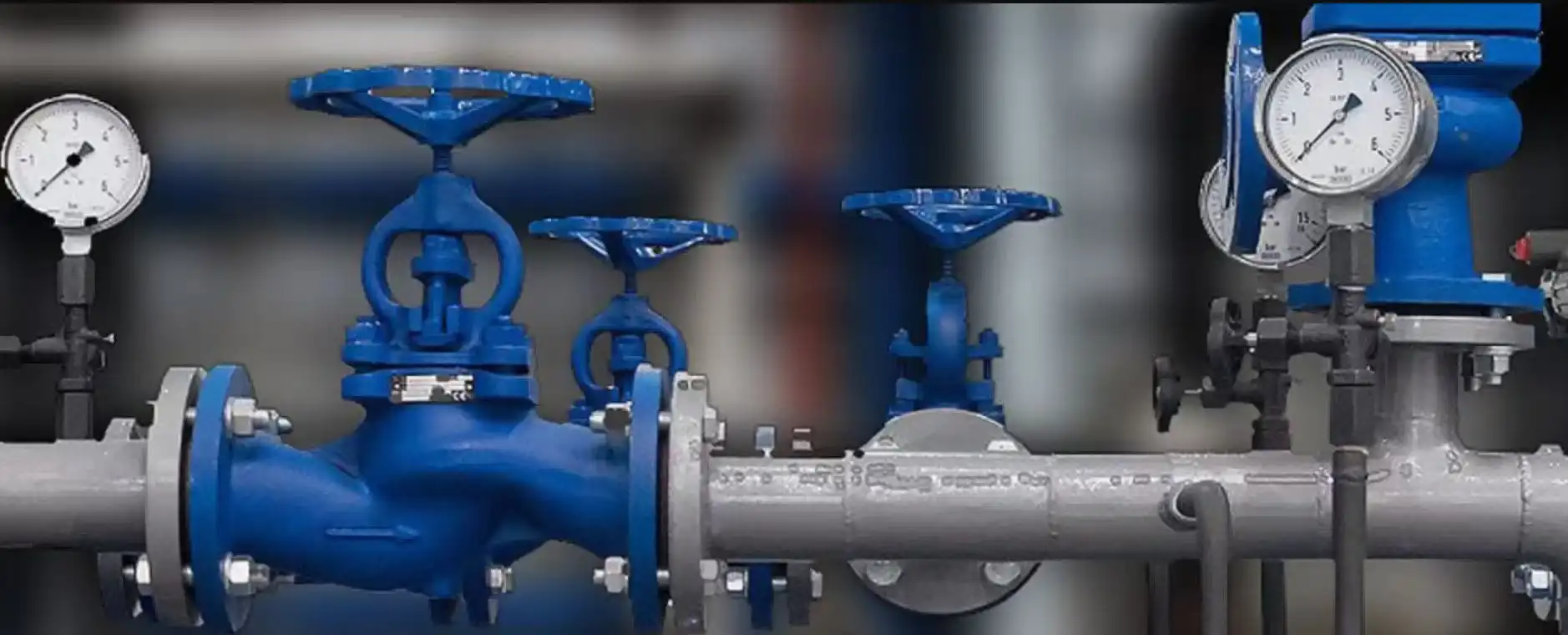
Selecting the right materials for cast steel steam check valves in control plants is significant for guaranteeing ideal execution, security, and life span of these basic components. Control plant engineers must consider components such as high-temperature resistance, weight resistance, erosion resistance, and strength when choosing valve materials. Cast steel, known for its quality and flexibility, rises as the best contender for steam check valve applications. In any case, the particular review of cast steel or elective combinations must be carefully assessed based on the special working conditions of each control plant. This comprehensive direct investigation investigates the key considerations, fabric alternatives, and best practices for selecting cast steel steam check valves that can withstand the demanding environment of cutting-edge control era facilities.
Essential Material Properties for High-Temperature Steam Service
Thermal Resistance and Stability
In control plant situations, cast steel steam check valves must withstand extraordinary temperatures without compromising their auxiliary judgment or execution. The chosen fabric ought to display fabulous warm resistance, keeping up its mechanical properties at raised temperatures frequently surpassing 1000°F (538°C). High-temperature solidness is vital to prevent distorting, thermal extension issues, or premature failure beneath delayed introduction to superheated steam.
Cast steel combinations with chromium and molybdenum increases, such as Review WC6 or WC9, offer upgraded crawl resistance and warm solidness. These materials hold their quality and hardness at high temperatures, guaranteeing the valve's fixing surfaces stay intaglio and useful throughout expanded operational periods.
Pressure Tolerance and Mechanical Strength
Steam frameworks in control plants work beneath noteworthy pressures, requiring valve materials with predominant mechanical quality and weight resistance. Cast steel grades utilized for cast steel valves must have tall and adequate quality and pliable quality to withstand the cyclic stresses initiated by weight fluctuations and water pound effects.
Materials like ASTM A216 WCB carbon steel or ASTM A217 WC6 amalgam steel are commonly utilized for their amazing pressure-bearing capabilities. These grades offer an adjustment of quality and ductility, permitting the valve to keep up its astuteness under shifting stack conditions while standing up to delicate fracture.
Wear and Erosion Resistance
The inside components of steam check valves, especially the circle and situate, are subject to nonstop wear from high-velocity steam and potential disintegration from particulates. Selecting materials with predominant hardness and wear resistance is fundamental for drawing out valve life and maintaining tight shutoff capabilities.
Hardfacing medicines or the utilization of specialized combinations for basic wear surfaces can essentially upgrade the valve's resistance to disintegration and scraped area. For instance, stellite overlays on seating surfaces or the utilization of martensitic stainless steel for plate and situate components can give fabulous wear characteristics in harsh steam environments.
Comparing Carbon Steel, Alloy Steel, and Stainless Steel Valve Options
Carbon Steel: Balancing Cost and Performance
Carbon steel, especially grades like ASTM A216 WCB, remains a well-known choice for cast steel steam check valves in control plants due to its cost-effectiveness and appropriate mechanical properties. These valves offer great quality and durability at direct temperatures and weights, making them appropriate for numerous steam applications.
Advantages of carbon steel valves include:
- Lower beginning taken a toll compared to the combination or stainless steel options
- Excellent machinability and weldability for less demanding fabricating and maintenance
- Good warm conductivity, permitting for proficient warm exchange in steam systems
However, carbon steel valves may have limitations in exceedingly destructive situations or amazingly high-temperature applications, requiring cautious thought of working conditions.
Alloy Steel: Enhanced Performance in Extreme Conditions
Alloy steel cast steam check valves, such as those made from ASTM A217 WC6 or WC9, offer improved execution in more demanding control plant situations. These materials contain extra alloying components like chromium and molybdenum, which upgrade their high-temperature quality and crawl resistance.
Key benefits of amalgam steel valves include:
- Superior quality maintenance at raised temperatures
- Enhanced crawl resistance for long-term unwavering quality in ceaseless high-temperature service
- Improved resistance to warm weakness and oxidation
Alloy steel valves are frequently favored for basic applications in control plants where working temperatures surpass the viable limits of carbon steel.
Stainless Steel: Corrosion Resistance and Durability
Stainless steel cast steam check valves, ordinarily made from austenitic grades like CF8M (316 stainless steel) or martensitic grades like CA15, offer extraordinary erosion resistance and strength in control plant steam frameworks. These valves are especially reasonable for applications including forceful media or where cleanliness is paramount.
Advantages of stainless steel valves include:
- Excellent resistance to erosion and oxidation, indeed in high-temperature steam environments
- Superior surface wrap-up and cleanability, decreasing the chance of contamination
- Good ductility and effect resistance over a wide temperature range
While stainless steel valves by and large come at a higher introductory taken a toll, their life span and decreased support requirements can counterbalance this cost over the valve's lifecycle.
Corrosion Resistance and Longevity Considerations in Power Generation Environments
Understanding Corrosion Mechanisms in Steam Systems
Corrosion in control plant steam frameworks can take different shapes, each posing interesting challenges to valve materials. Common erosion instruments include:
- General erosion: Uniform fabric misfortune over the valve surface
- Pitting erosion: Localized assaults leading to profound pits in the material
- Stress erosion splitting: Split arrangement due to combined push and destructive environment
- Flow-accelerated erosion: Fabric misfortune exacerbated by high-velocity steam flow
Understanding these instruments is vital for selecting suitable materials and actualizing compelling erosion relief techniques. For instance, alloying components like chromium and nickel in stainless steel frames forms defensive oxide layers that upgrade resistance to common erosion and pitting.
Material Selection for Enhanced Corrosion Resistance
When selecting materials for cast steel steam check valves with predominant erosion resistance, consider the following options:
- Austenitic stainless steels (e.g., CF8M): Offer amazing common erosion resistance and are appropriate for a wide range of steam conditions
- Duplex stainless steels: Give improved resistance to push erosion, breaking, and setting in chloride-containing environments
- Nickel-based amalgams: For extraordinary erosion resistance in exceedingly forceful steam conditions, even though at a higher cost
The choice between these materials depends on components such as steam chemistry, working temperatures, and the proximity of destructive contaminants in the framework. Conducting an exhaustive investigation of the particular control plant environment is basic for ideal fabric selection.
Longevity and Life Cycle Cost Considerations
While starting fabric costs are imperative, assessing the long-term execution and life cycle costs of cast steel steam check valves is significant for control plant administrators. Variables affecting valve life span include:
- Resistance to erosion and erosion
- Thermal cycling weariness resistance
- Ease of support and portion replacement
- Frequency of required reviews and downtime
Investing in high-quality, corrosion-resistant materials for steam check valves can lead to critical taken a toll investment in funds over time through diminished upkeep, fewer replacements, and minimized plant downtime. For illustration, a stainless steel valve may have a higher forthright taken a toll but might outlive other carbon steel valves in a destructive environment, eventually demonstrating more economical.
Additionally, consider the potential for updates or retrofits that can amplify valve life, such as applying corrosion-resistant coatings or supplanting basic components with tougher materials during planned maintenance.
Conclusion
Selecting the suitable materials for cast steel steam check valves in control plants requires a comprehensive understanding of working conditions, fabric properties, and long-term execution considerations. Whereas carbon steel valves offer cost-effective arrangements for direct conditions, combination steel and stainless steel alternatives give upgraded execution in extraordinary situations. By carefully assessing components such as temperature resistance, weight resistance, and erosion resistance, control plant engineers can select valve materials that guarantee ideal proficiency, security, and life span in their steam systems.
FAQs
What is the essential work of a cast steel steam check valve in a control plant?
A cast steel steam check valve anticipates backflow in steam pipelines, guaranteeing one-way flow and preventing gear from potential damage.
How does fabric choice affect the execution of steam check valves?
Material choice influences a valve's capacity to withstand high temperatures, weights, and destructive situations, directly affecting its execution and longevity.
Are stainless steel valves continuously the best choice for steam applications?
While stainless steel offers amazing erosion resistance, the best choice depends on particular working conditions and the cost of maintenance. In a few cases, carbon or combination steel may be sufficient.
Expert Cast Steel Steam Check Valve Solutions | FLA Industrial
At FLA Mechanical &; Exchanging Co., Ltd., we specialize in giving high-quality cast steel steam check valves custom-fitted to the requesting necessities of control plant applications. Our broad involvement and progressed fabrication capabilities empower us to offer custom arrangements that meet your particular needs. Whether you require carbon steel, combination steel, or stainless steel valves, our group of specialists can direct you in selecting the ideal materials for your control plant's steam systems. Contact us at sales@flaindustrial.com to examine your valve necessities and experience the FLA advantage in unwavering quality and execution.
References
Smith, J.R. (2019). "Materials Selection for High-Temperature Steam Applications in Power Plants." Journal of Power Engineering, 45(3), 278-295.
Johnson, A.B. & Thompson, C.D. (2020). "Corrosion Mechanisms and Material Performance in Steam Power Generation Systems." Corrosion Science and Technology, 55(2), 112-130.
Patel, R.K. (2018). "Comparative Analysis of Carbon Steel, Alloy Steel, and Stainless Steel Valves for Steam Service." International Journal of Pressure Vessels and Piping, 162, 42-58.
Lee, S.H., et al. (2021). "Long-term Performance Evaluation of Cast Steel Check Valves in Supercritical Steam Power Plants." Energy Procedia, 158, 4567-4582.
Yamamoto, K. & Garcia, M.L. (2017). "Advanced Materials for Steam Valve Applications: A Review of Recent Developments." Materials Science and Engineering: A, 712, 14-29.
Brown, E.T. (2022). "Life Cycle Cost Analysis of Valve Materials in Power Generation: Balancing Performance and Economics." Power Plant Operations, 37(4), 301-318.