To choose the correct grooved fitting size for your pipeline, you need to know the system standards, the pressure needs, and how the sizes work together. Grooved fittings connect pipes through mechanical holes, so you don't have to join them together. They're also flexible and easy to install. The right size makes sure that the flow works well, stops leaks, and keeps the system's integrity in industrial, fire protection, and HVAC settings. For effective, long-lasting pipeline links that meet safety standards and working needs, the right selection includes correctly measuring pipe measurements, checking maker specs, and taking operating conditions into account.
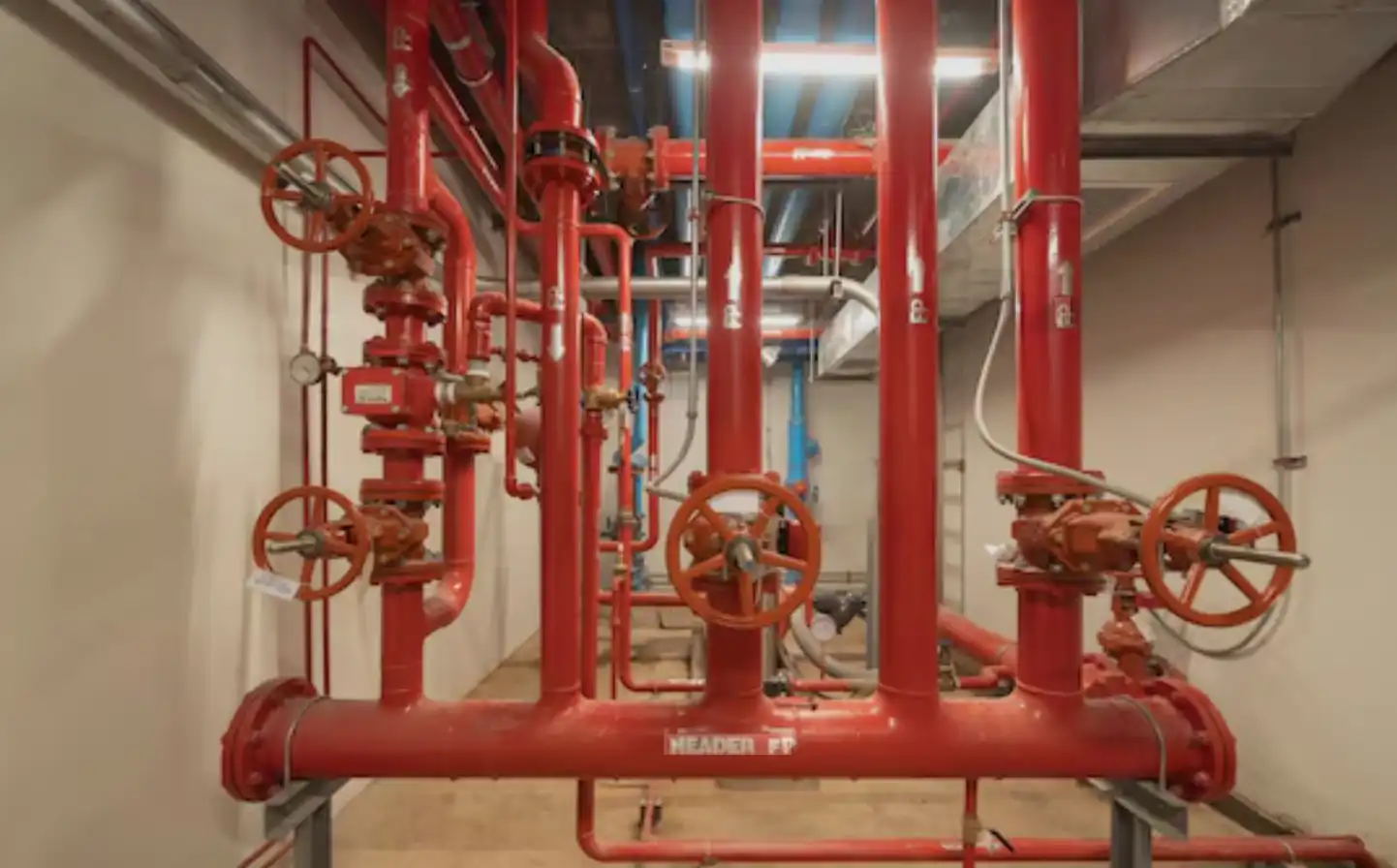
Understanding Grooved Fittings and Their Role in Pipeline Systems
Grooved pipe fittings are a huge step forward in mechanical plumbing systems. They make safe, leak-proof links by carefully milling holes into the ends of pipes. These parts get rid of the need for traditional soldering while keeping the structure strong and letting it expand and shrink with temperature changes. The mechanical connection system spreads stress evenly across the joint, which lowers the chance of failure and makes the system more reliable as a whole.
Types and Materials of Grooved Coupling Systems
Modern grooved connection systems come in a number of different shapes and sizes that are made for specific uses. Rigid couplings make set links that work well for straight runs, while flexible couplings can bend and move with the pipe. Different pipe sizes can be connected smoothly with reducing couplings. Other types of fittings, like elbows, tees, and crosses, let you change the direction of the pipe or connect two branches.
The choice of materials is very important for how well and how long a system lasts. For water and fire safety systems, ductile iron parts are very strong for their weight and don't rust. For pharmaceutical and food industry uses, stainless steel versions are better at resisting chemicals. Carbon steel choices work well in harsh industrial settings with a lot of pressure, and special treatments make them more resistant to certain toxic substances.
Applications Across Industrial Sectors
Pipeline groove valves are used in many different businesses, each with its own needs and working conditions. Quick construction and easy upkeep make HVAC systems more useful because they require less downtime during fixes or changes. These fittings are important for fire prevention networks because they can be used quickly and reliably in an emergency. Grooved connections are used in industrial process pipes because they can handle high pressures while still being flexible enough to handle changes in temperature and stress.
Key Criteria for Selecting the Right Grooved Fitting Size
Choosing the right curved fitting, such as grooved fittings, depends on a number of linked factors that affect the safety and performance of the system. Knowing these factors helps you make the right size choices that keep you from making mistakes that cost a lot of money and stop operations from working.
Dimensional Standards and Compatibility
Grooved fitting requirements are set by international measurement standards. ANSI, DIN, and ISO all offer complete rules for a wide range of uses. To make sure the fitting fits correctly, the nominal pipe size (NPS) and outside diameter (OD) numbers must be exactly the same as the fitting requirements. Groove sizes, such as depth and width limits, have a direct effect on how well the coupler works and how well the joint holds together.
Verification of compatibility goes beyond just measuring sizes and includes checking seal specs, bolt patterns, and housing configurations. Different makers may use unique designs that make it hard to exchange, so it's important to carefully look over the specifications before making a purchase choice. Knowing about these differences helps keep installation delays and compatibility problems from happening in the field.
Pressure and Temperature Considerations
The structure needs for grooved connection systems are based on their operating pressure values. When it comes to standard pressure classes, 150 PSI is low pressure and 2000 PSI is high pressure for industrial processes. When you figure out the working pressure, you have to take into account safety factors, pressure spikes, and possible system changes that could affect how the system works.
Changes in temperature affect the choice of material and how well it works with the seal. Most business uses can be done in standard temperature ranges, but high situations need special materials and design factors. Calculations of thermal expansion make sure that there is enough movement without affecting the stability of the joints or the orientation of the system.
Step-by-Step Guide to Selecting Grooved Fitting Sizes for Your Pipeline
A methodical approach to choosing grooved fittings cuts down on mistakes and ensures the best system performance. This orderly process takes into account all important factors while keeping safety and dependability standards in mind.
System Assessment and Measurement
Start by writing down all of the system's factors for grooved fittings, such as flow rates, pressure needs, and weather conditions. To get accurate pipe measurements, you need to check both the stated size and the real outside diameter. This is because manufacturing errors can change how well two fittings fit together. If changes are going to be made, write down the current groove measurements to make sure that the new parts meet the original requirements.
The review of operating conditions includes situations with the highest and lowest pressures, temperature ranges, and the properties of the fluid. Chemical compatibility between the media being moved and the materials used for fittings keeps the system from breaking down too soon. These factors are written down so that they can be used to choose materials and set pressure limits.
Manufacturer Specification Review
A full study of the specifications makes sure that the right parts are chosen and that the system works with everything else. Data sheets from manufacturers have important details like pressure values, temperature limits, and measurement tolerances. The certification paperwork shows that the product meets industry standards and government rules that are relevant to its use.
Technical support calls with makers help make sure that application-specific needs are met and that any possible interface problems are found. Help from engineers helps choose the best parts for complicated systems while making sure that safety rules and performance standards are followed.
Installation and Code Compliance Verification
Installation room needs affect the choice of fitting, especially in crowded places where easy entry for upkeep is needed. Clearance requirements make sure that the right tools can be used for installation and that future repair work can be done safely and effectively.
Verification of regulatory compliance includes checking against local building rules, fire safety standards, and requirements related to the business. Documentation of compliance shows that you did your research and helps the system approval process during checks and startup.
Common Pitfalls to Avoid When Choosing Grooved Fitting Sizes
Learning about common selection mistakes helps people who work in buying avoid making mistakes that cost a lot of money and hurt system performance and safety. When you know about these problems, you can take steps to avoid them and make better decisions.
Measurement and Specification Errors
The most common reason for fitting decision problems is wrong measurements. When people get the stated pipe size and the real outside diameter mixed up, it causes parts that don't work with each other and delays in installing them in the field. If the current gap measurements aren't checked properly, gasket fitting can fail, which could lead to system leaks.
Specification misunderstanding for grooved fittings happens when technical documents are not read or understood completely. When it comes to pressure ratings, mixing up working pressure and test pressure can lead to parts that are too small and break in everyday use. Not paying attention to the temperature number causes gaskets to fail early and joints to break down.
System Integration Oversights
Assumptions that different manufacturers' goods will work together create problems with merging and performance. If you mix parts from different sources without checking them first, you might end up with bad fits, closing issues, and a system that doesn't works right. Standardizing on lines of products that work together stops these problems and makes upkeep easier.
Planning for future growth helps avoid size limits that make it hard to make changes to the system. Choosing parts with enough capacity reserves lets you meet growth needs without having to change the whole system. This saves you money in the long run and gives you more practical freedom.
Practical Tips and Best Practices for Installation and Maintenance
Installing and maintaining grooved fittings correctly will improve their performance and make the system last longer. With these tried-and-true methods, daily costs can be cut while safety and dependability standards are kept.
Installation Best Practices
Professional installation starts with choosing the right tools and getting them ready. Specialized shaping tools make sure that the grooves are the right size and that the surface is finished in a way that makes the gasket fit better. Clean pipe preparation gets rid of dirt and other things that could damage the joints or cause them to wear out faster than they should.
When choosing and installing a gasket, it's important to pay close attention to how well it fits and how well it's placed. Lubrication makes fitting easier and makes sure the seal stays in the right place during assembly. To get the best joint performance without putting too much stress on the parts, bolt pressure standards must be followed to the letter.
Maintenance and Inspection Strategies
Schedules for regular inspections find possible problems before they cause the system to fail or pose a safety risk. Visual checks look for signs of seal wear, bolt loosening, and pipe movement or imbalance. Keeping records of inspection results is a good way to find trends that can help with planning preventative maintenance.
Schedules for re-torquing bolts, replacing gaskets at set times, and rotating parts are all examples of preventive maintenance activities for grooved fittings. These preventative steps make systems last longer and lower the cost of repairs and unexpected downtime. Training repair workers on the right way to do things makes sure that best practices are used consistently across the whole company.
FLA Industrial & Trading Co., Ltd.: Your Trusted Grooved Fittings Partner
With almost forty years of designing and production experience, FLA Industrial & Trading Co., Ltd. is one of the best companies in the world at making high-quality grooved pipe fittings. Our wide range of products includes more than 1,000 different specs. They are used for a wide range of tasks, from fire protection systems to industrial process pipes in countries around the world, such as the US, Germany, and Australia.
Advanced Manufacturing Capabilities
Our modern factories use cutting-edge machining technologies and quality control systems that go above and beyond what is required by international law. Precision production makes sure that the dimensions are correct and that the surface finish is good, which improves the closing performance of the gasket and the dependability of the joint. Our whole line of products is put through strict testing to make sure they all meet the requirements for pressure, temperature, and material compatibility.
Quality management systems make sure that production standards are always met and that customization needs for specific uses are met. Our tech team works with customers to come up with solutions that meet their individual needs while still being cost-effective and meeting delivery dates. Because of this, we can handle both normal business uses and challenging industry settings with the same level of skill.
Comprehensive Support Services
Technical consulting services help customers make difficult choices about what to buy and how to connect their systems. When it comes to making sure systems work at their best, our skilled application experts help with size, material choices, and installation. Customer service staff learn how to properly install and maintain equipment through training programs that make it last longer and be more valuable.
Having global transportation skills helps keep delivery plans on track and keeps inventory management services up to date, which lowers the cost of having goods for customers. We care about our customers' success more than just delivering products. We also offer ongoing expert help and quick responses to service needs in the field.
Conclusion
To choose the correct curved fitting size for grooved fittings, you need to carefully think about the system's requirements, how it will be used, and how well the sizes will fit together. Knowing the sizes of pipes, the pressure levels, and the material needs is important for choosing the right parts that will work well and last a long time. Systematic evaluation methods help you avoid common problems, which keeps you from making expensive mistakes and causing installation delays. Installing and managing systems correctly is the best way to get the most out of them while keeping them safe and reliable. When you work with skilled makers like FLA Industrial & Trading Co., Ltd., you can get access to high-quality goods and professional know-how that help your project succeed.
FAQs
How do I get a good measurement of the pipe width to choose the right curved fitting?
Use precise calipers or pipe measure tools to find the actual outside diameter, since the stated pipe size may not match the real dimensions. If there are already holes, check their depth and width, and look at the manufacturer's specs to make sure they work with the material and wall thickness of your pipe.
When it comes to high-pressure fire safety systems, can grooved fittings be used?
Yes, grooved fittings are widely used in fire safety systems. Depending on the design and approval, they can handle pressures up to 2000 PSI. Make sure the parts you choose are approved by UL or FM, and check that the pressure values are higher than the system's design pressures by the right amount.
What are the pros of grooved fittings over welded connections?
Grooved fittings make installation faster without the need for hot work permits. They also make system changes easier, can handle heat expansion and shaking, and are easy to get to for upkeep. They also get rid of problems with the welding and make sure that the quality of the joints is always the same. This saves money on work and time during installation.
Partner with FLA Industrial for Your Pipeline Solutions
Are you ready to improve your piping system with grooved fittings that were carefully designed? At FLA Industrial & Trading Co., Ltd., our team of experts gives you full technical advice that is tailored to the needs of your project. We have been making high-quality products for almost 40 years and have over 1,000 product specs. Our solutions are reliable and meet the needs of building workers, plumbers, and industrial site managers. We are a reliable source for grooved fittings, and we offer low prices, fast shipping, and committed customer service. You can ask for technical specs and project quotes by emailing sales@flaindustrial.com.
References
Smith, J.R. "Mechanical Pipe Joining Systems in Modern Construction." Industrial Pipeline Engineering Journal, Vol. 42, No. 3, 2023, pp. 156-171.
Anderson, M.K. and Williams, P.L. "Grooved Fitting Performance in High-Pressure Applications." ASME Pressure Vessel and Piping Conference Proceedings, 2023, pp. 89-102.
International Association of Plumbing and Mechanical Officials. "Uniform Plumbing Code: Grooved and Shouldered Joints." 2024 Edition, Chapter 6, Section 605.12.
Thompson, R.A. "Comparative Analysis of Mechanical and Welded Pipe Connections in Fire Protection Systems." Fire Protection Engineering Quarterly, Vol. 28, No. 4, 2023, pp. 45-58.
National Fire Protection Association. "NFPA 13: Standard for the Installation of Sprinkler Systems." 2022 Edition, Section 6.3.4, Grooved Fittings Requirements.
Chen, L.Y. and Martinez, C.R. "Economic Analysis of Grooved Coupling Systems in Commercial HVAC Applications." Building Services Engineering Research and Technology, Vol. 44, No. 2, 2023, pp. 203-218.