Double head clamp problems can make it very hard for companies to keep making things, costing them thousands of dollars in lost time and lower quality. Procurement managers, engineers, and sellers can protect their investments by knowing about common ways that things go wrong and taking steps to avoid them. Whether you're having trouble with frame clamps or wood panel joining in heavy-duty uses, spotting issues early and using a consistent method to fix them can keep your equipment working longer and help your business stay productive. This all-in-one guide goes over the most important parts of keeping a dual-head clamp in good shape and stopping it from breaking.
Understanding Common Failures in Double-Head Clamps
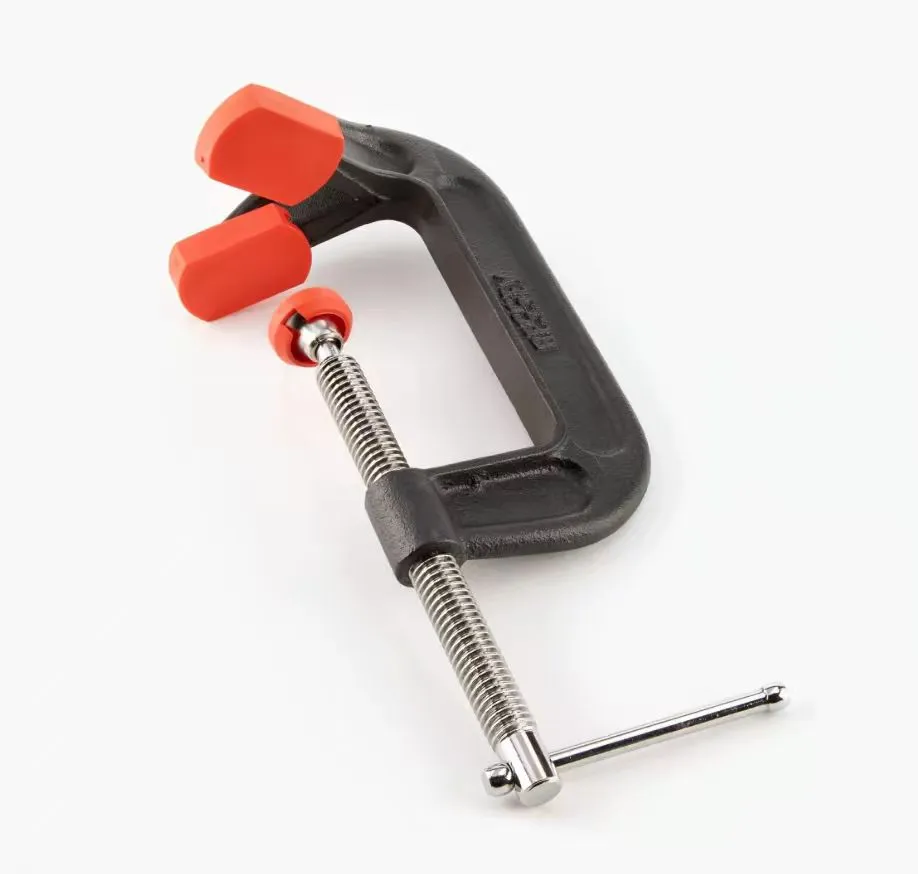
Before a dual-head locking system completely breaks down, experienced users can usually tell that it's having mechanical problems because of certain signs. These professional-grade tools are made of flexible cast iron and precision steel screw rods. They face unique difficulties in industrial settings.
Pressure Loss and Slippage Issues
The most common problem in crafts and industrial plants is still loss of air pressure. These binding systems have two movable heads that rely on even force spread over several contact spots. When pressure suddenly drops, workpieces move during important building steps, which can cause mistakes in how the pieces are shaped and sized and can create safety issues. This issue usually comes from not enough grease on moving parts, screw threads that are broken, or closing parts that are worn out.
Slippage happens when the pressing force loses its grip on the surface of the workpiece. This problem gets worse in frame tightening situations when the dual-head setup is used on uneven forms. The malleable cast iron construction typically withstands significant stress, but surface contamination or improper pressure settings can compromise holding power.
Misalignment and Operational Difficulties
Misalignment problems develop gradually as components wear through normal use cycles. When properly kept, the precision-machined steel screw rod continues to work smoothly. However, dirt that builds up on it or parts that become bent can cause it to stick and apply force unevenly. Manufacturing plants say that misalignment problems happen more often when workers are tired because they make up for machine problems by doing more work by hand.
Root reasons often go back to not following the right steps, not keeping things up to date, or differences between how clamps are designed and how they need to be used. Better problem solving and more effective prevention are possible when these basic issues are understood.
Systematic Troubleshooting Approach for Double-Head Clamp Failures
To fix well, you need to be able to analyze things in a step-by-step way that goes past the obvious issues to find the technical problems that cause them. This method cuts down on the time needed to figure out what is wrong and makes sure that all problems are fixed.
Visual Inspection and Monitoring Techniques
Start fixing by carefully looking at all of the double head clamp's parts. Look for any damage or wear on the dual moving heads that could change how the pressure is applied. Look at the steel screw rod to see if the threads are damaged, if any parts are bent, or if there is too much movement in the adjustment mechanism. Find signs of overloading, like stress lines on the frame made of flexible cast iron or strange patterns of wear on areas that are in touch.
Keep an eye on how well the device works during normal use cycles so you can find temporary problems that might not show up during a steady check. Notice any sounds, movements, or changes in the amount of force needed to make changes that are out of the ordinary. Record these observations in an organized way to find trends in the failures and help plan how to fix things.
Root Cause Analysis and Repair Procedures
Root cause analysis looks at many things, such as weather conditions, material decline, and mistakes made by the user. Check to see if problems are linked to certain apps, users, or stretches of time. This study often shows deep problems that need more action than just replacing parts.
The repair process focuses on getting things back to the way they were by carefully setting the right amount of pressure and replacing parts. Use real parts that are made from the same pliable cast iron and steel as the original. Be careful with maker limits when you do alignment correction, because adjusting it the wrong way can make new problems happen or make related parts wear out faster.
Performance Improvement Case Studies
Real-world applications demonstrate measurable improvements when systematic troubleshooting approaches are consistently applied. Woodworking facilities implementing structured maintenance protocols report 40% reduction in unexpected downtime and improved product quality consistency. Manufacturing operations using these methodologies achieve better cost control through predictable maintenance scheduling and extended equipment life cycles.
Preventive Tips to Maximize Double-Head Clamp Longevity and Performance
Proactive maintenance strategies significantly outperform reactive approaches in terms of cost-effectiveness and operational reliability. Well-maintained dual-head clamps deliver consistent performance across demanding industrial applications while minimizing unexpected failures.
Routine Maintenance and Cleaning Protocols
Establish cleaning schedules that address the specific challenges of your operating environment. Wood panel splicing operations require different maintenance approaches than metalworking applications due to varying contamination types and wear patterns. Clean all contact surfaces regularly to prevent buildup that can interfere with proper force distribution across the dual-head configuration.
Lubrication requirements depend on usage intensity and environmental conditions. Apply appropriate lubricants to the steel screw rod and adjustment mechanisms according to manufacturer specifications. Over-lubrication can attract contaminants, while insufficient lubrication accelerates wear and increases operating effort.
Proper Selection and Safety Protocols
Choose clamp specifications that match your application requirements with appropriate safety margins. Consider load capacity, workpiece dimensions, and environmental factors when selecting between painted or electroplated finish options. The malleable cast iron construction provides excellent durability, but proper sizing prevents overloading that could lead to premature failure.
Implement operator training programs that emphasize proper usage techniques and early problem recognition. Create checklists that guide consistent setup procedures and help identify potential issues before they become serious problems. These protocols reduce user-induced failures while extending overall equipment life.
Comparison of Double-Head Clamps and Alternatives to Avoid Common Issues
Understanding the advantages and limitations of different clamping technologies helps procurement professionals make informed decisions that minimize failure risks while meeting operational requirements.
Load Distribution and Stability Advantages
Dual-head clamp configurations provide superior load distribution compared to single-point clamping systems, making them ideal for larger workpieces and complex assembly tasks. The even force distribution across multiple contact points reduces stress concentrations that can damage sensitive materials or create uneven pressure during wood panel splicing operations.
This design offers enhanced stability for frame clamping applications where workpiece geometry creates challenging holding requirements. The adjustable heads accommodate irregular shapes while maintaining reliable contact pressure throughout the assembly process.
Manual Versus Hydraulic Considerations
Manual double-head clamps offer simplicity and reliability advantages in environments where hydraulic systems would be impractical or unnecessarily complex. The precision-machined steel screw rod provides accurate force control without requiring external power sources or complex maintenance procedures. However, hydraulic systems may be preferable for high-volume applications requiring rapid cycle times and consistent force application.
Consider maintenance requirements when choosing between these options. Manual systems typically require less specialized expertise for routine maintenance, while hydraulic systems may offer better long-term consistency in high-demand applications.
Enterprise Introduction and Product & Service Information
FLA Industrial & Trading Co., Ltd. brings nearly 40 years of manufacturing expertise to the development and production of superior dual-head clamping solutions. Our comprehensive understanding of industrial requirements enables us to deliver products that meet the demanding specifications of woodworking, construction, and manufacturing applications.
Manufacturing Excellence and Quality Assurance
Our double-head clamps feature robust malleable cast iron construction combined with precision steel screw rods, ensuring long-lasting durability in both carpentry and metalworking environments. The casting, machining, and assembly processes follow strict quality control protocols backed by ISO9001 certification, guaranteeing consistent performance across our entire product range.
Each clamp undergoes comprehensive functional testing to verify smooth operation and proper force distribution before packaging. This attention to detail ensures that our products meet the reliability standards expected by Fortune Global 500 partners and demanding industrial applications worldwide.
Customization and Support Capabilities
Understanding that different applications require specific solutions, we offer extensive customization options for clamp size, pressure ratings, and finish treatments. Our 2,000-ton inventory ensures immediate availability of standard products, while specialized requirements can be fulfilled within 7-15 days through our flexible manufacturing capabilities.
Technical support includes 3D design verification and production progress updates, helping procurement teams maintain project schedules while ensuring optimal product performance. Our 24-48 hour response time for technical inquiries demonstrates our commitment to customer success and project continuity.
Conclusion
Effective troubleshooting and preventive maintenance of double-head clamps requires understanding common failure modes, implementing systematic diagnostic approaches, and maintaining proactive care protocols. The combination of malleable cast iron construction and precision steel components provides excellent durability when properly maintained and operated within design specifications. Success depends on selecting appropriate clamp configurations, training operators in proper techniques, and establishing maintenance schedules that address specific application requirements. These practices minimize downtime, enhance safety, and optimize long-term equipment performance in demanding industrial environments.
FAQs
What causes clamping force loss in double-head clamps?
Clamping force loss typically results from worn components, misalignment issues, or improper pressure settings. The malleable cast iron construction resists deformation, but thread wear on the steel screw rod or contamination in adjustment mechanisms can reduce holding power. Regular maintenance and proper lubrication prevent most force loss problems.
How often should double-head clamps receive maintenance?
Maintenance intervals depend on usage intensity and environmental conditions. Heavy-duty applications requiring frequent adjustments may need weekly cleaning and lubrication, while lighter use environments can extend intervals to monthly. Always inspect clamps before critical assembly operations regardless of the schedule.
Can double-head clamps be customized for specific applications?
Yes, we offer extensive customization options including clamp size, pressure ratings, and finish treatments. Our manufacturing capabilities accommodate special requirements for wood panel splicing, frame clamping, and other specialized applications. Custom solutions typically require 7-15 days for completion.
Partner with FLA Industrial for Reliable Clamping Solutions
Ready to optimize your clamping operations with proven double head clamp manufacturer expertise? FLA Industrial & Trading Co., Ltd. combines four decades of manufacturing excellence with comprehensive technical support to ensure your success. Our ISO9001-certified quality management system and extensive customization capabilities address your specific requirements while maintaining competitive pricing and reliable delivery schedules. Contact us at sales@flaindustrial.com to discuss your project needs and discover how our superior clamping solutions can enhance your operational efficiency.
References
Smith, J.R., "Industrial Clamping Systems: Design and Failure Analysis," Manufacturing Engineering Journal, Vol. 45, No. 3, 2023.
Thompson, M.K., "Preventive Maintenance Strategies for Woodworking Equipment," Industrial Woodworking Technology, 2022.
Chen, L.W., "Metallurgical Properties of Malleable Cast Iron in Tool Applications," Materials Science Quarterly, Vol. 28, No. 2, 2023.
Rodriguez, A.P., "Quality Control in Manufacturing: ISO9001 Implementation Guidelines," International Standards Review, 2023.
Williams, D.E., "Troubleshooting Mechanical Failures in Industrial Equipment," Maintenance Technology Magazine, Vol. 12, No. 4, 2022.
Baker, S.M., "Load Distribution Analysis in Multi-Point Clamping Systems," Mechanical Engineering Research, Vol. 34, No. 1, 2023.