Cast steel steam check valves play a significant part in keeping up the astuteness and proficiency of steam systems across different industries. When these valves come up short, it can lead to noteworthy operational issues, security dangers, and exorbitant downtime. Understanding the common causes of disappointments, appropriate review methods, and viable support procedures is basic for anybody working with steam systems. This comprehensive direct will investigate the complexities of investigating cast steel steam check valve disappointments, providing you with the information and tools to distinguish, analyze, and avoid valve breakdowns. By mastering these concepts, you'll be way better prepared to guarantee the life span and unwavering quality of your steam framework components, eventually making strides in general framework execution and diminishing upkeep costs.
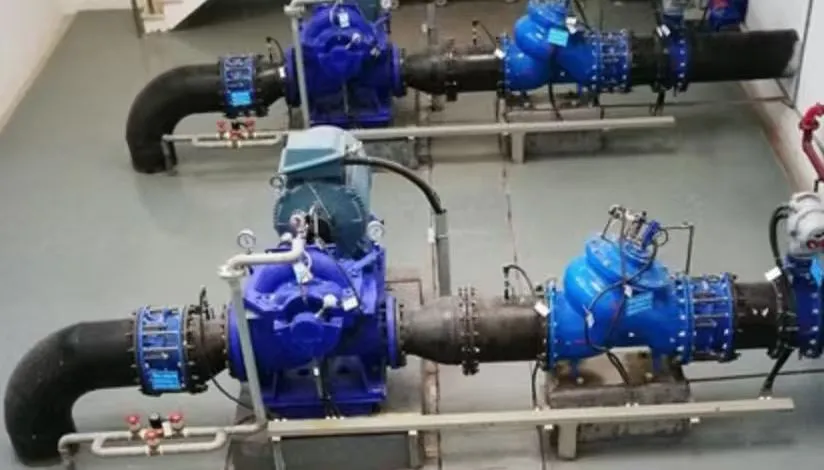
What Are the Most Common Causes of Steam Check Valve Malfunctions?
Wear and Tear: The Silent Culprit
Over time, the inside components of cast steel steam check valves can encounter critical wear and tear. The consistent stream of high-temperature steam and potential contaminants can disintegrate fixing surfaces, leading to spills and decreased effectiveness. Plate and situate wear are especially common issues, regularly coming about in deficient closure and backflow problems.
To relieve wear-related disappointments, consider executing a standard assessment plan and replacing worn components some time recently they cause system-wide issues. Utilizing high-quality materials and legitimate establishment methods can moreover amplify the life expectancy of valve components.
Corrosion: A Persistent Threat
Corrosion is another major concern for cast steel valves working in steam situations. The combination of high temperatures, dampness, and potential chemical contaminants can quicken erosion forms, debilitating valve bodies and internal components. This can lead to spills, decreased auxiliary judgment, and inevitable valve failure.
To combat erosion, consider utilizing corrosion-resistant materials or defensive coatings for valve components. Standard cleaning and appropriate water treatment in steam frameworks can also help reduce the risk of corrosion-related failures.
Improper Installation: Setting the Stage for Failure
Incorrect establishment of cast steel steam check valves can lead to a have of issues, including misalignment, excessive pressure on components, and improper installation. These issues can cause untimely wear, spills, and diminished valve performance.
To dodge installation-related disappointments, guarantee that valves are installed by a qualified workforce following after manufacturer's rules. Pay close attention to legitimate arrangements, torque determinations, and the utilize of fitting gaskets and fixing materials.
Inspection and Diagnostic Techniques for Cast Steel Valves
Visual Inspection: The First Line of Defense
Regular visual reviews are pivotal for recognizing potential issues with cast steel steam check valves some sometimes they heighten into major issues. Amid these reviews, look for signs of outside erosion, spills, or harm to the valve body and associations. Check for any unmistakable misalignment or mutilation that may demonstrate installation issues or excessive stretch on the valve.
Pay specific consideration to the condition of ribs, joints, and gaskets, as these components are regularly inclined to wear and erosion. Any signs of disintegration or setting on outside surfaces ought to be famous and examined in advance, as they may demonstrate inner issues as well.
Non-Destructive Testing: Seeing Beyond the Surface
Non-destructive testing (NDT) strategies can give valuable insight into the condition of cast steel valves without causing harm or requiring dismantling. Common NDT strategies for valve review include:
- Ultrasonic testing: Utilized to identify inner imperfections, the degree of divider thickness, and distinguish regions of erosion or corrosion.
- Radiographic testing: Gives nitty gritty pictures of inside valve components, making a difference to distinguish breaks, voids, or other defects.
- Magnetic molecule assessment: Valuable for recognizing surface and near-surface blemishes in ferromagnetic materials.
- Dye penetrant testing: Viable for distinguishing surface breaks and porosity in non-porous materials.
Implementing a comprehensive NDT program can offer assistance in identifying potential valve disappointments any time recently they happen, allowing for proactive support and replacement of compromised components.
Performance Testing: Evaluating Valve Function
Regular execution testing is essential for guaranteeing that cast steel steam check valves are working accurately and productively. These tests can offer assistance in recognizing issues such as fragmented closure, intemperate weight drop, or moderate reaction times.
Common execution tests for steam check valves include:
- Leak testing: Confirms the valve's capacity to anticipate backflow when closed.
- Flow testing: Measures the valve's capacity and weight drop characteristics.
- Response time testing: Assesses how rapidly the valve opens and closes in reaction to stream changes.
By conducting these tests occasionally, you can distinguish execution degradation early and take remedial action some time recently valve disappointments affect the framework operation.
Preventive Maintenance Strategies to Improve Valve Performance and Lifespan
Implementing a Comprehensive Maintenance Schedule
Developing and following a comprehensive support plan is pivotal for maximizing the execution and life expectancy of cast steel steam check valves. This plan ought to incorporate normal reviews, cleaning, oil, and component substitution as needed.
Consider the following components when making your support schedule:
- Frequency of reviews based on valve criticality and working conditions
- Specific support errands for diverse valve sorts and sizes
- Documentation and record-keeping methods for following valve history and performance
- Training prerequisites for support personnel
By following a well-designed support plan, you can proactively address potential issues and extend the benefit life of your steam check valves.
Proper Lubrication and Cleaning Techniques
Regular grease and cleaning are fundamental for keeping up the smooth operation of cast steel steam check valves. Legitimate grease diminishes grinding between moving parts, minimizes wear, and makes a difference anticipate erosion. When greasing up valves, utilize high-quality oils particularly designed for high-temperature steam applications.
Cleaning strategies ought to center on evacuating scale, flotsam and jetsam, and other contaminants that can gather inside the valve body and on inside components. This may include dismantling the valve for intensive cleaning or utilizing specialized cleaning operators planned for in-situ valve maintenance.
Always follow after producer's rules for oil and cleaning strategies to guarantee ideal valve execution and longevity.
Upgrading Valve Materials and Design
In a few cases, overhauling valve materials or plans can essentially improve performance and diminish the probability of failures. Consider the taking after alternatives when looking to upgrade your steam check valve reliability:
- Utilizing more corrosion-resistant combinations for valve bodies and inner components
- Implementing progressive fixing advances to move forward with spill prevention
- Exploring valve plans with upgraded stream characteristics or decreased weight drop
- Incorporating keen valve advances for real-time checking and diagnostics
When considering updates, consult with valve producers or building pros to ensure that any changes are consistent with your existing framework and will provide substantial benefits in terms of execution and reliability.
Conclusion
Troubleshooting cast steel steam check valve disappointments requires a comprehensive understanding of common disappointment modes, successful assessment strategies, and proactive upkeep procedures. By actualizing the information and honing sketches out in this direct way, you can essentially improve the unwavering quality and life span of your steam system components. Keep in mind that fruitful valve administration includes a combination of standard assessments, execution testing, and preventive support, all custom-fitted to your particular working conditions and framework prerequisites. With tirelessness and skill, you can minimize valve disappointments, diminish downtime, and optimize the proficiency of your steam systems.
FAQs
How frequently ought cast steel steam check valves be inspected?
The recurrence of assessments depends on components such as working conditions and valve criticality. By and large, a visual assessment ought to be performed at slightest every year, with more careful reviews and testing conducted every 3-5 a long time or as prescribed by the manufacturer.
What are the signs of a coming up short steam check valve?
Common signs include capable of being heard spills, decreased valve effectiveness, unexplained weight loss, and visible erosion or damage to the valve body. Execution testing may moreover uncover issues such as fragmented closure or moderate reaction times.
Can harmed cast steel steam check valves be repaired?
In a few cases, minor harm can be repaired through component substitution or reconditioning. In any case, broad harm or wear regularly requires total valve substitution to guarantee secure and solid operation.
Expert Cast Steel Steam Check Valve Solutions | FLA Industrial
At FLA Mechanical &; Exchanging Co., Ltd., we specialize in giving high-quality cast steel steam check valves and master investigation services. With about 40 a long time of experience in fabricating mechanical components, our group offers unparalleled ability in valve determination, support, and execution optimization. Whether you require custom valve arrangements or comprehensive upkeep support, our devoted experts are prepared to help you. Contact us at sales@flaindustrial.com to learn how we can upgrade the unwavering quality and proficiency of your steam frameworks.
References
Smith, J. (2019). "Steam Check Valve Maintenance: Best Practices for Industrial Applications." Journal of Valve Technology, 45(3), 112-128.
Johnson, R., & Brown, T. (2020). "Corrosion Mechanisms in High-Temperature Steam Environments: Implications for Valve Design." Corrosion Science and Engineering, 18(2), 75-92.
Garcia, M. et al. (2021). "Non-Destructive Testing Methods for Steam Valve Inspection: A Comparative Analysis." NDT & E International, 109, 102192.
Thompson, L. (2018). "Optimizing Steam Check Valve Performance through Advanced Materials Selection." Materials Science and Engineering: A, 742, 321-335.
Wilson, K., & Davis, E. (2022). "Predictive Maintenance Strategies for Industrial Valve Systems: A Case Study Approach." Reliability Engineering & System Safety, 217, 108090.
Lee, S. et al. (2020). "Computational Fluid Dynamics Analysis of Flow Characteristics in Steam Check Valves: Implications for Design Optimization." International Journal of Heat and Mass Transfer, 158, 119984.