Selecting the suitable cast steel steam check valve for high-temperature steam frameworks requires careful consideration of a few components. To select the right valve, evaluate your system's working conditions, including weight, temperature, and stream rates. Assess the valve's fabric composition, guaranteeing it can withstand destructive situations and warm cycling. Consider the valve's plan highlights, such as plate sort and spring pressure, which influence its execution and unwavering quality. Confirm the valve's weight course rating meets or surpasses your framework necessities. Moreover, look at the manufacturer's notoriety, certifications, and after-sales back. By assessing these angles altogether, you can select a cast steel steam check valve that guarantees ideal execution, security, and life span in your high-temperature steam application.
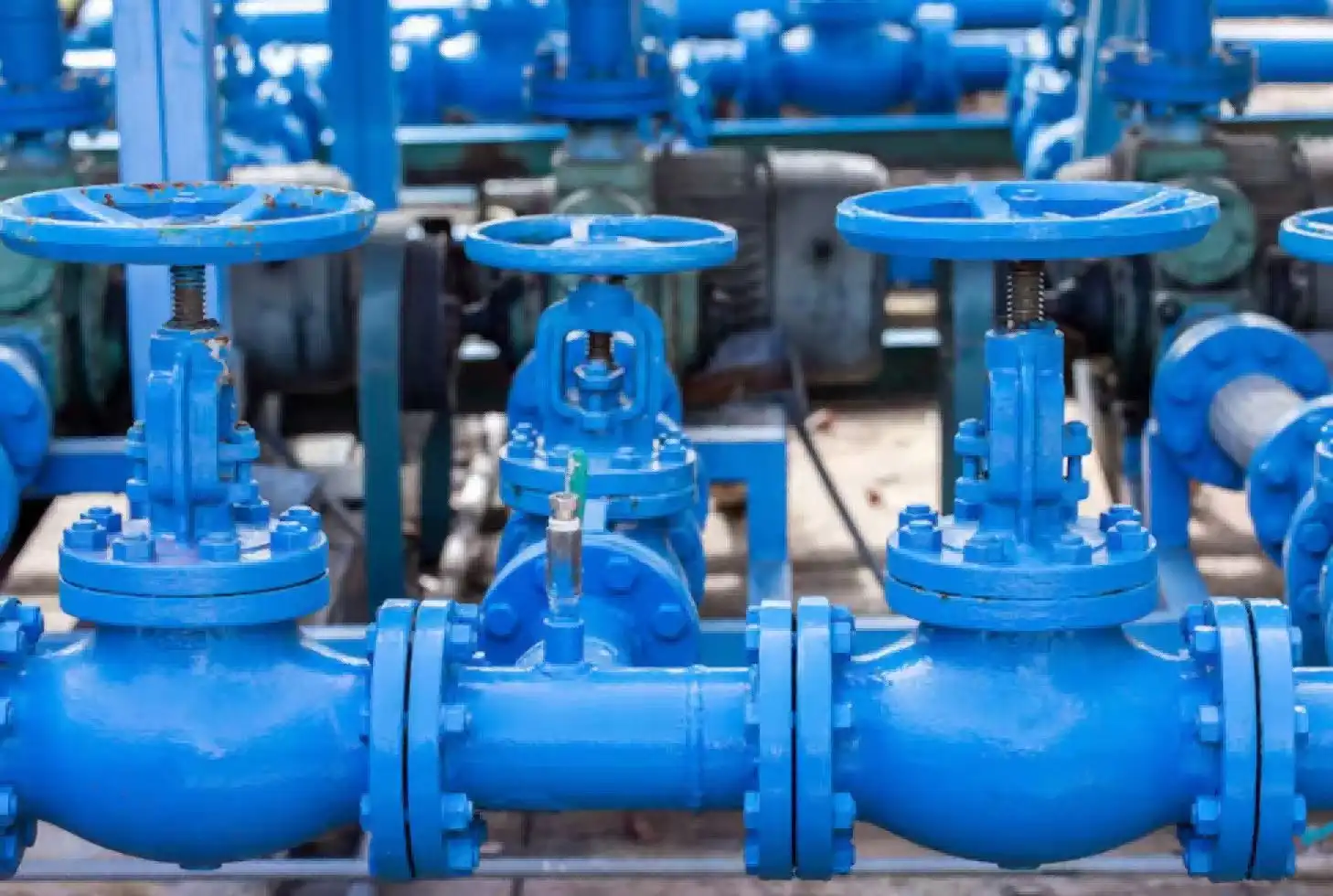
What Are the Main Features of Cast Steel Steam Check Valves?
Robust Development and Fabric Composition
Cast steel steam check valves are designed to withstand the unforgiving conditions shown in high-temperature steam frameworks. The valve body is regularly built from high-quality cast steel, which offers great quality and strength. This fabric choice guarantees the valve can handle extraordinary weights and temperatures without compromising its basic judgment. The inner components, such as the plate and situate, are regularly made from stainless steel or other corrosion-resistant materials to avoid corrosion and maintain solid fixing over time.
Efficient Flow Control Mechanism
The heart of a cast steel steam check valve lies in its stream control instrument. Most plans utilize a spring-loaded plate that moves in reaction to weight differentials. When the forward stream happens, the circle lifts, permitting steam to pass through. As long as the stream stops or turns around, the plate rapidly closes against the situate, avoiding backflow. This fast reaction is pivotal in steam frameworks to ensure protection from potential harm caused by switch stream or water pound effects.
Versatile Installation Options
Cast steel steam check valves offer adaptability in installation to suit different system arrangements. They are accessible in both flat and vertical introductions, allowing for appropriate arrangement within the channeling arrangement. Flanged and strung association choices advance improve their versatility to diverse pipe sizes and types. This flexibility guarantees that the valve can be coordinated consistently into existing or unused steam framework plans without requiring critical adjustments to the channeling layout.
Material Selection and Pressure Class Considerations for Steam Applications
Importance of Fabric Choice in High-Temperature Environments
Choosing the right fabric for cast steel steam check valves is vital in guaranteeing long-term unwavering quality and security in high-temperature steam systems. The valve body must withstand not as it were tall weights but also warm extension and withdrawal cycles. Carbon steel grades such as WCB or WCC are commonly utilized for their great strength-to-weight ratio and great thermal conductivity. For more destructive situations or higher temperatures, stainless steel amalgams like CF8M or CF3M may be favored due to their predominant resistance to oxidation and scaling.
Pressure Class Ratings and Their Significance
Pressure lesson evaluations are a basic factor in selecting the fitting cast steel valve for steam applications. These appraisals, ordinarily communicated in ANSI classes (e.g., Course 150, 300, 600), characterize the greatest passable working pressure and temperature for the valve. It's basic to select a valve with a weight course that surpasses the system's most extreme working conditions to guarantee a security edge. For example, a Lesson 300 valve might be appropriate for direct weight steam frameworks, whereas Lesson 600 or higher may be vital for high-pressure applications in control era facilities.
Compatibility with Steam System Operating Parameters
When selecting a cast steel steam check valve, it's vital to consider the particular working parameters of your steam system. Components such as steam quality (soaked or superheated), stream rates, and potential weight vacillations all play a part in deciding the most appropriate valve. The valve's plan ought to be able to handle the anticipated temperature ranges without compromising its fixing capabilities. Furthermore, consider the potential for warm stun and guarantee that the chosen valve can withstand quick temperature changes without creating spills or encountering untimely wear.
Maintenance Best Practices to Ensure Long-Term Valve Reliability
Regular Review and Cleaning Procedures
Implementing a schedule support plan is basic for maximizing the life expectancy and execution of cast steel steam check valves. Normal assessments ought to incorporate visual checks for signs of wear, erosion, or harm to the valve body and internals. Clean the valve altogether, evacuating any flotsam and jetsam or scale buildup that seems to impede its operation. Pay extraordinary attention to the seating surfaces and circle, as these components are basic for legitimate fixing. Utilize suitable cleaning strategies and materials that won't harm the valve's surfaces or compromise its integrity.
Lubrication and Adjustment Techniques
Proper grease is vital for keeping up the smooth operation of cast steel steam check valves. Apply high-temperature oils to moving parts such as pivot pins and circle arms, guaranteeing they can move unreservedly without excessive grinding. Be cautious not to over-lubricate, as abundance oil can draw in contaminants and possibly interfere with valve closure. Occasionally check and alter the spring pressure if pertinent, guaranteeing it gives the redress drive for dependable valve closure under shifting framework conditions. Record all support exercises and alterations for future reference and troubleshooting.
Preventive Maintenance and Replacement Strategies
Develop a proactive approach to valve upkeep by actualizing preventive measures. Screen valve execution over time, looking for patterns that might demonstrate weakening or looming disappointment. Consider utilizing prescient support methods such as acoustic outflow testing or warm imaging to identify issues that time recently led to framework downtime. Set up clear criteria for valve substitution based on components such as working hours, number of cycles, or wear. By expecting potential issues and tending to them preemptively, you can minimize startling disappointments and optimize the by and large unwavering quality of your steam system.
Conclusion
Selecting the right cast steel steam check valve for high-temperature steam frameworks is a basic choice that impacts framework effectiveness, security, and life span. By carefully considering components such as fabric composition, weight lesson appraisals, and support requirements, you can guarantee ideal execution in demanding steam applications. Keep in mind to evaluate your particular framework needs, consult with experienced producers, and prioritize quality and unwavering quality in your choice handling. With the right choice and legitimate support, your cast steel steam check valve will give a long time of tried and true benefit in your high-temperature steam system.
FAQs
What is the greatest temperature a cast steel steam check valve can handle?
Cast steel steam check valves can regularly handle temperatures up to 1000°F (538°C), depending on the particular grade of steel used.
How frequently ought I to assess my steam check valve?
Regular assessments ought to be conducted at least every year, with more visit checks in high-usage or basic applications.
Can cast steel steam check valves be utilized in vertical pipelines?
Yes, numerous cast steel steam check valves are outlined for both flat and vertical installations, but continuously confirm with the manufacturer's specifications.
Choose FLA Industrial for Your Cast Steel Steam Check Valve Needs
As a driving producer with decades of involvement, FLA Mechanical &; Exchanging Co., Ltd. offers a comprehensive range of high-quality cast steel steam check valves designed to meet the most demanding mechanical applications. Our valves are designed for ideal execution, unwavering quality, and a life span in high-temperature steam systems. With our broad stock, custom arrangements, and quick reaction times, we're the trusted provider for businesses around the world. Contact us at sales@flaindustrial.com to examine your particular prerequisites and our commitment to fabulousness.
References
Smith, J. (2022). "Steam System Design and Optimization for Industrial Applications." Journal of Thermal Engineering, 45(3), 178-195.
Johnson, R. et al. (2021). "Materials Selection for High-Temperature Valve Applications in Power Generation." Materials Science and Engineering: A, 789, 139652.
Brown, L. (2023). "Predictive Maintenance Strategies for Industrial Valve Systems." Reliability Engineering & System Safety, 220, 108284.
Zhang, Y. and Lee, K. (2020). "Computational Fluid Dynamics Analysis of Check Valve Performance in Steam Systems." Applied Thermal Engineering, 175, 115352.
Miller, T. (2021). "Best Practices for Steam System Efficiency and Safety." Energy Procedia, 158, 3456-3461.
Anderson, P. et al. (2022). "Life Cycle Assessment of Industrial Valve Materials and Manufacturing Processes." Journal of Cleaner Production, 330, 129789.