When picking the best stainless rope clamps for marine and outdoor use, it is important to choose high-quality stainless steel parts to make sure that the wire rope ties stay strong in tough conditions. A good stainless rope clamp made of marine-grade 316 stainless steel resists rusting better, lasts longer, and performs better than coated options. When safety and dependability can't be compromised, these specialized hoisting parts safely connect wire ropes for ships, construction, offshore platforms, and industrial lifting systems.
Understanding Stainless Rope Clamps and Their Marine Applications
Wire rope clamps are important tools for rigging that make sure the ends and links of cables are safe when they are used to lift, tow, or support something. The sea climate has problems that can only be solved by materials that can handle being in saltwater, changes in temperature, and big loads.
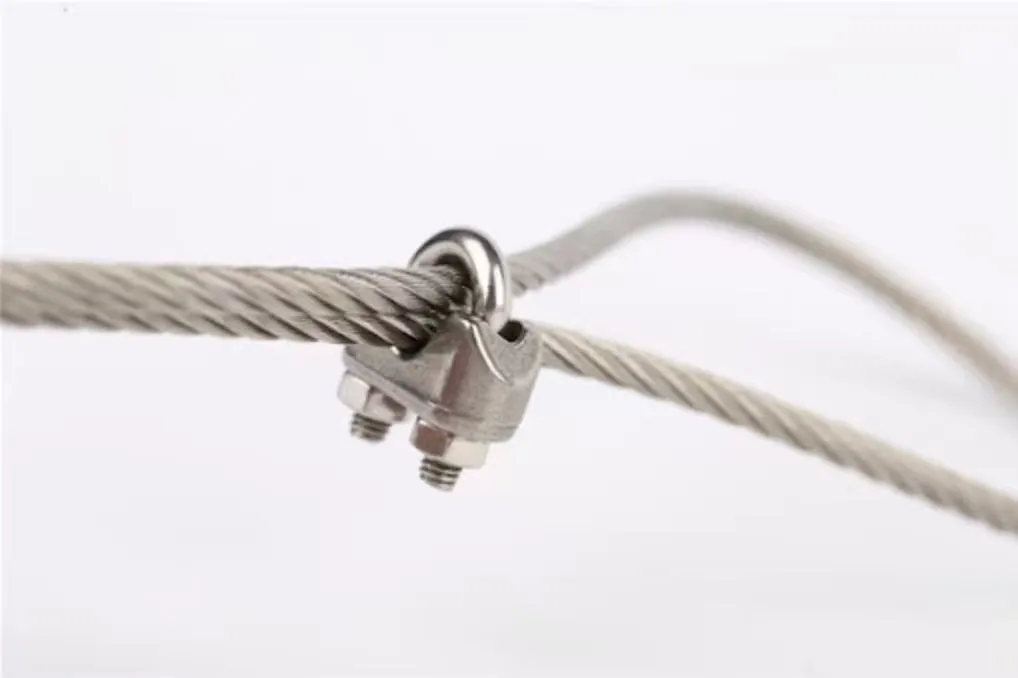
Material Composition and Grades
Marine-grade stainless steel rope clamps are made with either 304 or 316 stainless steel. Grade 316 has better protection to rust because it is made with molybdenum. With this addition, you get much better protection against pitting and cavity rust caused by chloride, which is a typical problem in saltwater. The precision casting, forging, and cutting methods make sure that all of the parts that are made have the right size and the same mechanical qualities.
Types and Configurations
There are many different kinds of wire rope clamps that can be used for different rigging needs. Saddle clamps have a bent saddle that holds the part of the wire rope that bears the load, but U-bolt versions let you change how much they compress. For heavy-duty tasks where safety requires the strongest grip, double saddle clamps give you more binding power.
How to Properly Use and Install Stainless Rope Clamps for Rigging?
The safety and effectiveness of wire rope links depend on how they are installed. Knowing the right way to do things helps avoid expensive mistakes and makes sure that safety standards are met.
Installation Guidelines and Best Practices
Installing rope clamps requires following the correct pressure specs and paying close attention to what you are doing. The U-bolt should touch the dead end of the wire rope, and the seat part should touch the live or load-bearing end. This setup keeps the load-bearing strands from being crushed and keeps the grip strength at its best for the whole life of the link.
Proper spacing between multiple stainless steel clamps is six times the thickness of the wire rope. The first clamp is one saddle width away from the rope's sharp end. The torque number depends on the thickness of the wire rope and the size of the clamp. It usually falls between 15 and 45 foot-pounds, depending on what's needed for the job.
Maintenance and Inspection Procedures
Regular check plans help find possible problems before they affect safety or performance. Corrosion, distortion, or loosening should be looked for at the threaded joints during visual inspections. Using clean water and a gentle soap to clean the area removes salt and other materials that could make rusting happen faster in sea settings.
Choosing the Right Stainless Rope Clamp: Comparison and Decision-Making
Choosing the right rigging gear means carefully thinking about the surroundings, the work, and the costs that will happen over time. Different uses require different material types and design features in order to make sure that they work well and are safe.
Stainless Steel vs. Galvanized Options
In outdoor and naval settings, stainless steel rope clamps are better for the long term, even though galvanized ones are cheaper at first. Because stainless steel doesn't rust, you don't have to repair it or take care of it as often. This lowers the total cost of ownership over the equipment's lifetime.
Grade 304 vs. Grade 316 Performance
Grade 316 stainless steel has molybdenum in it, which makes it much harder for saltwater to corrode. 316-grade clamps are the most popular choice for offshore platforms, boats, and shoreline sites that are often directly exposed to seawater because they fight rust better.
Procurement Guide for Stainless Rope Clamps: How to Buy Smart
When you buy stainless steel clamps, good buying methods make sure you get good things at a good price while also making sure that your supply chain management is stable. Knowing about licensing guidelines and what suppliers can do helps you build strong long-term relationships.
Supplier Evaluation Criteria
ISO9001 is a quality management method that honest makers use, and it lets them give full material approvals for tracking. A CE mark shows that the product meets European safety standards. Other certifications show that the company is committed to quality control and excellent manufacturing.
When normal settings won't get the job done, being able to customize things becomes important. When makers have to deal with special size, load rate, or material changes, they help with engineering to solve these unique problems.
Order Quantity and Delivery Considerations
Suppliers have different minimum order amounts, and usually, bigger amounts will get you better prices per unit. It can take anywhere from the same day to a few weeks for unique setups for regular goods to be delivered, depending on the availability of the items. Planning when to buy materials based on project goals helps avoid expensive holdups and makes sure that materials are on hand when they are needed.
Technical Specifications That Matter for Marine Grade Stainless Rope Clamps
Knowing important specs helps people make smart choices about which parts to use in difficult situations. Key factors are weather defense features, physical fit, and load rates.
Dimensional and Performance Specifications
Wire ropes can be used with a wide range of wires, from ones with a small diameter to very thick ones with configurations over one inch. As the size of the clamp changes, the working load limits change as well. Usually, the safety factor will fall between 4:1 and 6:1, which depends on the needs of the application and the rules of the industry.
Marine-grade stainless steel clamps can usually handle temperatures from -40°C to +200°C. This makes them useful in ocean and industrial settings where high temperatures can occur. Corrosion resistance testing shows that it works even when it is exposed to conditions that are like years of service in tough sea settings.
Quality Assurance and Testing Standards
Load testing approval makes sure that parts made for a product meet or go beyond the stated working load limits in controlled testing circumstances. Material traceability paperwork follows the sources of raw materials through the final inspection. This helps with quality standards and project documentation needs for very important uses.
Conclusion
Choosing the best stainless rope clamps for marine and outdoor use needs to be carefully thought about in terms of material types, weather conditions, and specific needs for the purpose. Better 316-grade stainless steel parts avoid rusting better and last longer than parts made of other kinds of steel. During the service life, proper installation, regular upkeep, and following safety rules make sure that the best performance is always given. Working with makers who have a lot of experience and offer quality standards, expert help, and the ability to customize products helps make sure that projects are successful and follow safety rules for sea and outdoor use.
FAQs
What is the main difference between stainless rope clamps and galvanized rope clamps?
Galvanized clamps are cheaper but rust more easily over time, while stainless steel rope clamps are better at resisting rusting, especially in naval settings. Even though it costs more at first, the stainless steel choice is a better deal in the long run because it doesn't need to be replaced or cleaned as often.
How many rope clamps should be used for securing a wire rope?
Usually, at least three clamps are suggested to properly spread the load. The exact number depends on the rope thickness and the needs of the application. For different handling situations, safety factors and load conditions determine the least amount that is acceptable in the industry.
Can stainless rope clamps be reused after removal?
Stainless steel clamps can be reused, but they should be carefully checked for bending, thread damage, or rust before they are put back on. When safety is important, it is best to use new clamps to keep them working well and in line with safety rules.
Partner with FLA Industrial for Premium Stainless Rope Clamp Solutions
FLA Industrial & Trading Co., Ltd.'s advanced stainless rope clamp technology will change the way you do naval and outdoor hauling. With almost 40 years of experience in manufacturing, we provide exacting, high-quality products made from 316-grade stainless steel that have both ISO9001 and CE approvals. Our engineering team is here to help you with everything from coming up with an idea and making sure it is made correctly, whether you need standard setups or unique designs. Our flexible order amounts, reliable delivery schedules, and fair prices will meet the needs of your project. Companies in the Fortune Global 500 trust us, and we do business with them worldwide. Get in touch with our technical experts to talk about your needs and find out why the most successful companies source their stainless rope clamps from FLA Industrial. If you want to know about prices and detailed details, email us at sales@flaindustrial.com.
References
American Society of Mechanical Engineers. "ASME B30.26-2018: Rigging Hardware." New York: ASME International, 2018.
Bridon International Ltd. "Wire Rope Users Manual." 4th Edition. Technical Publication Series, 2019.
Crosby Group LLC. "Rigging Hardware Application and Installation Guide." Engineering Technical Bulletin ETB-003, 2020.
International Association of Classification Societies. "Common Structural Rules for Bulk Carriers and Oil Tankers." IACS Publication CSR-H, 2021.
Naval Sea Systems Command. "Handling and Use of Wire Rope, Slings, and Rigging Hardware." NAVSEA Technical Manual S9086-RK-STM-010, 2019.
Wire Rope Technical Board. "Wire Rope Users Manual." 5th Edition. Wire Rope Technical Board Publication, 2020.